
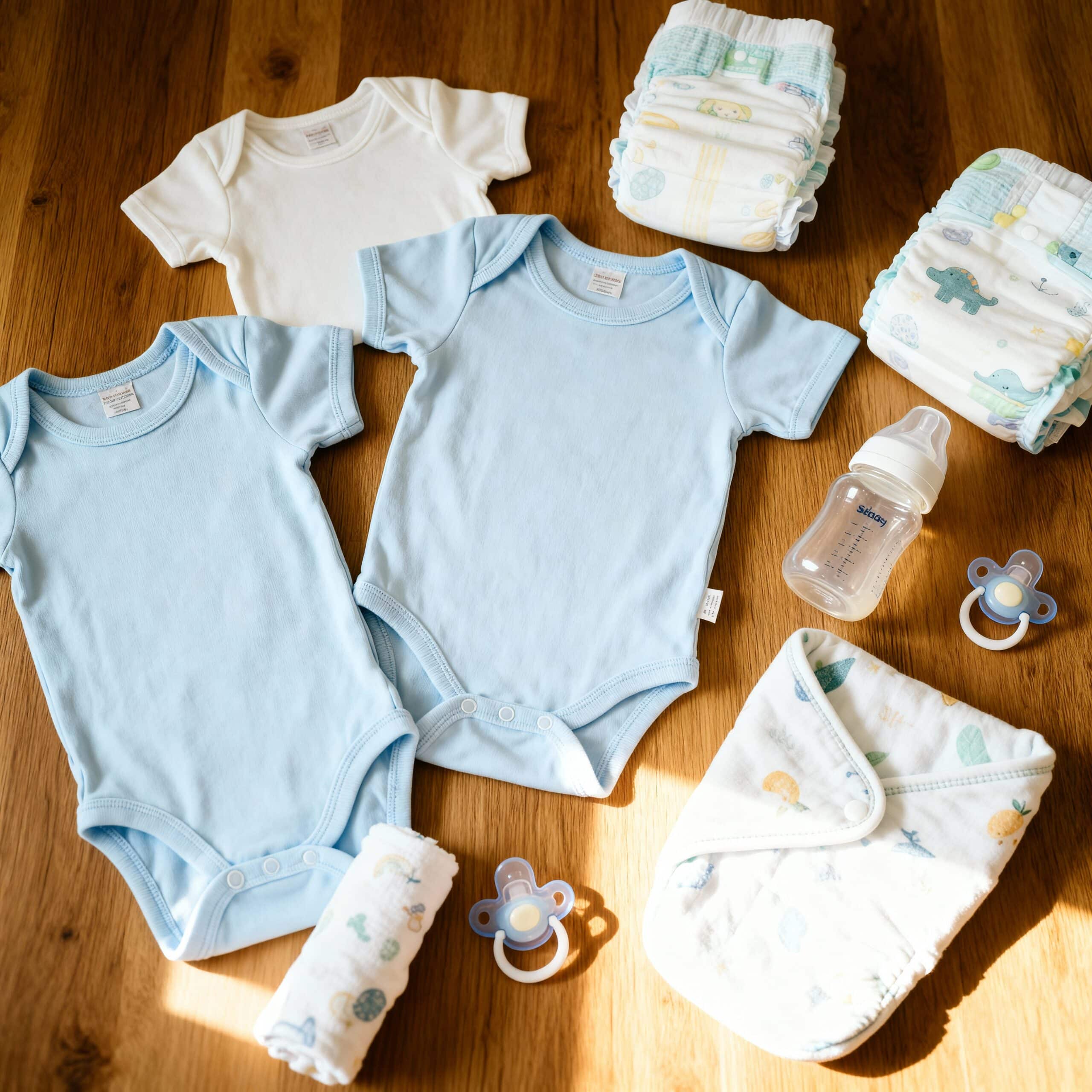
Welcoming a newborn is exciting, but it can also feel overwhelming, especially for first time parents trying to figure out what’s truly necessary. Baby stores and online lists can make you think you need every gadget available, but in reality, only a few essentials make life easier and more comfortable for both baby and parents.
In this article, we’ll break down the must-have newborn gear for first time parents into categories like sleeping, feeding, clothing, diapering, health, travel, and more. You’ll also find practical tips to avoid overspending and discover what’s optional versus what’s essential. By the end, you’ll have a clear, organized newborn gear checklist to help you prepare with confidence.
Essential Newborn Gear Checklist: Sleeping Essentials
Crib, bassinet, or co-sleeper?
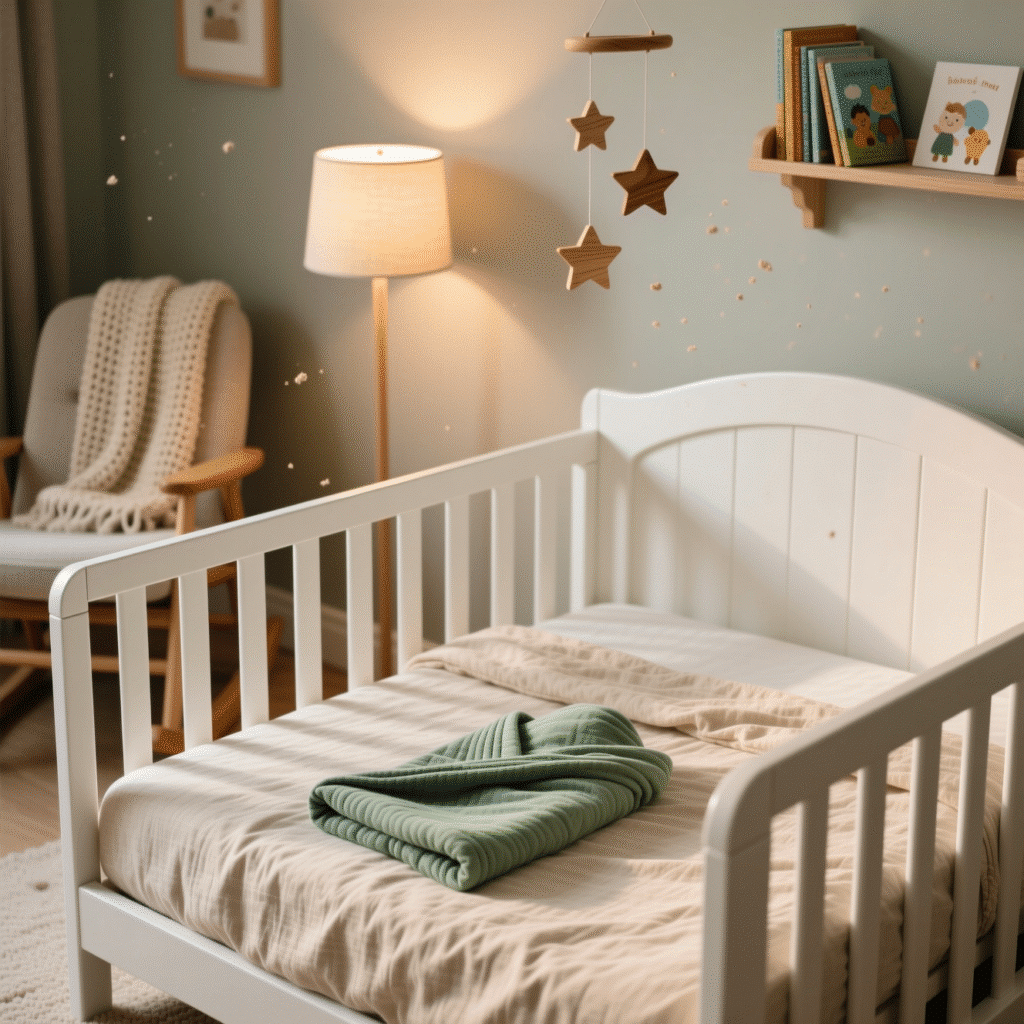
Safe sleep is one of the top priorities for new parents. Your baby needs a firm, flat surface, free of pillows, toys, and blankets, to reduce the risk of SIDS (Sudden Infant Death Syndrome). Common sleep setups include:
- Crib: Long-term investment, meets safety standards, and grows with your baby.
- Bassinet: Compact and convenient for small spaces, often easier for nighttime feeds.
- Co-sleeper: Attaches to the parents’ bed for closeness, while keeping baby in a safe space.
When choosing, make sure the product meets U.S. Consumer Product Safety Commission (CPSC) standards.
Must-have accessories: swaddles, sleep sacks, white noise
Beyond the crib or bassinet, a few extras can make newborn sleep smoother:
- Swaddle blankets: Help babies feel secure, mimicking the womb.
- Sleep sacks: A safer alternative to loose blankets, keeping babies warm without suffocation risk.
- White noise machines: Can drown out household noise and recreate soothing womb-like sounds.
Remember: less is more. A safe sleep setup doesn’t require dozens of products, just the right ones.
Essential Newborn Gear Checklis: Feeding, how?
Breastfeeding gear every mom should consider
If you’re planning to breastfeed, a few key items can make the process more comfortable and manageable:
- Nursing pillows: Provide support for both mom and baby during feedings, reducing strain on arms and back.
- Breast pump: Helps moms who return to work or want to store milk for flexibility. Electric pumps save time, while manual pumps are more portable.
- Nursing bras and pads: Essential for comfort and preventing leaks.
- Milk storage bags: Safe, sterilized bags make freezing and thawing breast milk easy.
Not every breastfeeding mom will need all of these items, but having the basics ready reduces stress in those first few weeks.
Bottle-feeding essentials for newborns
For parents who choose formula, pump, or a combination of both, bottles become a key part of daily life. Must-haves include:
- Bottles and nipples: Choose a few different nipple flow options to see what works best for your baby.
- Bottle sterilizer or sterilizing bags: Ensure hygiene and safety.
- Bottle brush and drying rack: For thorough cleaning and air-drying.
- Formula dispenser: Helps with quick, on-the-go bottle prep.
Having the right feeding gear keeps mealtimes smoother, whether you’re breastfeeding, formula feeding, or doing both.
Essential Newborn Gear Checklist: Must-Haves clothes
Essential outfits and seasonal variations
Newborns grow quickly, so you don’t need a huge wardrobe. Instead, focus on a few versatile basics:
- Onesies (5–7): Soft cotton onesies with snaps make diaper changes easier.
- Sleepers (5–7): Footed pajamas with zippers are convenient for nighttime changes.
- Hats and mittens: Keep your baby warm and prevent scratching.
- Socks and booties: Essential for colder months.
If your baby is born in the summer, opt for lightweight cotton clothing. For winter babies, add warm layers like fleece sleepers or thicker swaddles. Always choose breathable fabrics to avoid overheating.
How to avoid overbuying baby clothes
It’s easy for first time parents to get carried away with cute baby outfits, but many will go unworn. Here are some tips to avoid overspending:
- Stick to newborn and 0–3 months sizes: Babies often outgrow newborn sizes within weeks.
- Choose practical over stylish: Prioritize comfort, ease of dressing, and machine-washable fabrics.
- Accept hand-me-downs: Babies grow fast, and gently used clothes can save money.
- Buy gradually: Purchase only what you need for the first few weeks, then add as your baby grows.
Keeping clothing simple and functional ensures your newborn is comfortable without overwhelming your budget.
Essential Newborn Gear Checklist: Diapering
Choosing between disposable and cloth diapers
One of the first decisions new parents face is whether to use disposable or cloth diapers. Both have pros and cons:
- Disposable diapers: Convenient, widely available, and easy for nighttime changes or travel. The downside is cost over time and environmental impact.
- Cloth diapers: More eco-friendly and cost-effective in the long run, but they require frequent washing and upfront investment.
- Many first time parents choose a combination, using disposables at night or on the go, and cloth at home.
Wipes, creams, and diapering accessories
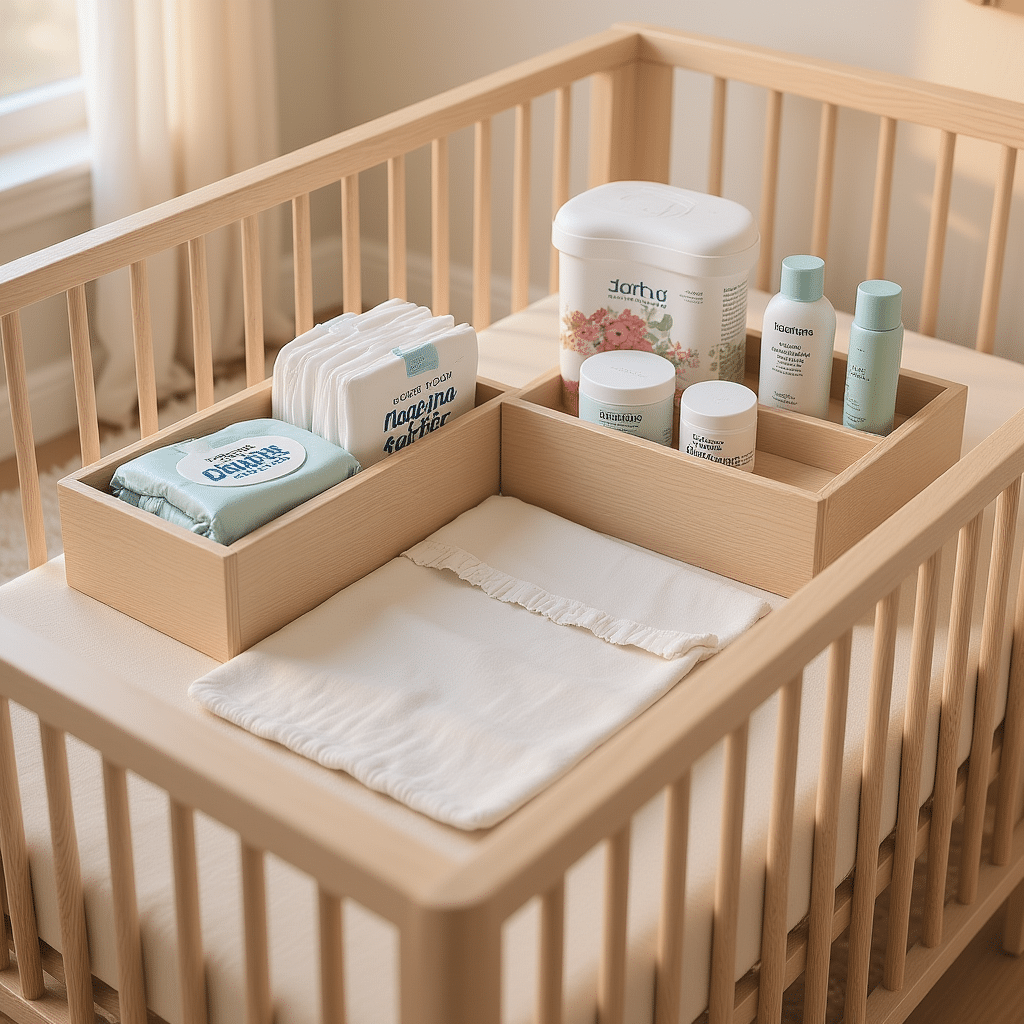
A successful diapering setup goes beyond just diapers. Essential add-ons include:
- Baby wipes: Choose fragrance-free, sensitive-skin options to avoid irritation.
- Diaper rash cream: Protects and soothes skin, especially during frequent changes.
- Changing pad or table: Provides a clean, safe space for changes.
- Diaper pail: Helps manage odors, especially when using disposables.
- Portable changing kit: Handy for travel and outings.
Having a well-stocked diapering station saves time and keeps both baby and parents comfortable during frequent changes.
Essential Newborn Gear Checklist: Health and Hygiene
Baby grooming kit basics
Caring for your baby’s hygiene doesn’t require an entire shelf of products, just a few essentials:
- Baby nail clippers or emery boards: Newborn nails grow quickly and can scratch delicate skin.
- Soft baby brush and comb: Helps with cradle cap and keeps hair tidy.
- Baby-safe thermometer: Digital or ear thermometers are quick and accurate.
- Gentle bath wash and shampoo: Tear-free, fragrance-free options are best for sensitive skin.
- Hooded towels and washcloths: Keep baby warm and comfortable after baths.
These basics keep your newborn clean, comfortable, and safe without overwhelming your bathroom storage.
First aid must-haves for first time parents
Unexpected illnesses or minor injuries happen, so it’s smart to be prepared with a small first aid kit. Items to include:
Infant acetaminophen (with pediatrician approval): For fever or discomfort.
- Nasal aspirator or bulb syringe: Clears congestion and helps babies breathe easier.
- Saline drops: Gentle relief for stuffy noses.
- Gas relief drops: Helpful for colicky or gassy babies.
- Bandages and baby-safe antiseptic: For small scrapes.
Keeping these essentials organized and easily accessible gives first time parents peace of mind.
Essential Newborn Gear Checklist: Travel and On-the-Go
Car seat safety for newborns
A rear-facing infant car seat is non-negotiable for traveling with a newborn. Hospitals in the U.S. won’t even let you leave without one. When choosing:
- Look for infant-specific seats with a snug fit for smaller babies.
- Make sure the seat meets current safety standards.
- Practice installing it before your baby arrives, most local fire departments or baby stores offer free installation checks.
Always place the car seat in the back seat, never in front of an airbag.
Diaper bag and baby carrier must-haves
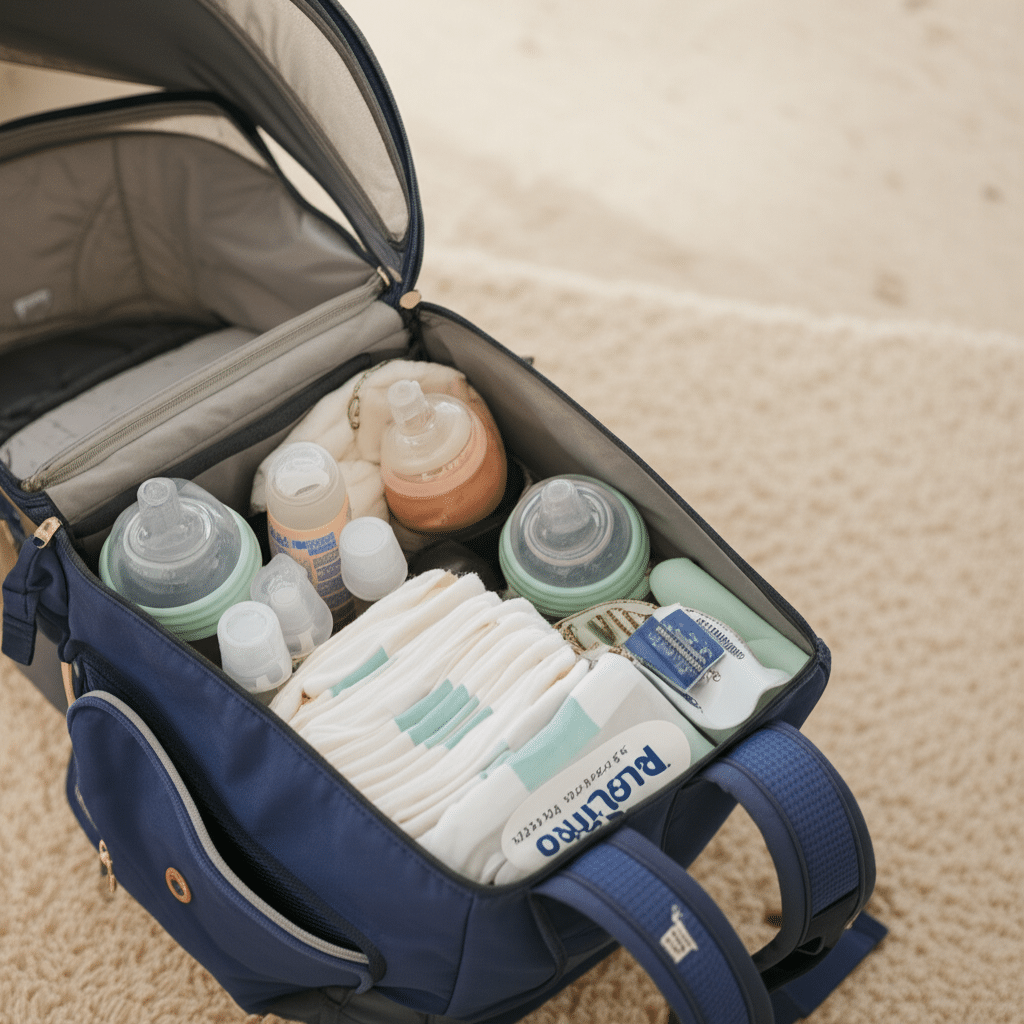
A well-packed diaper bag makes outings less stressful. Essentials to include:
- Extra diapers and wipes.
- Change of clothes for baby (and an extra shirt for you).
- Burp cloths and bibs.
- Bottles or nursing cover depending on your feeding choice.
- Portable changing pad.
In addition, a good baby carrier or wrap keeps your hands free while keeping your newborn close. Look for ergonomic carriers that support healthy hip development.
Travel gear doesn’t need to be complicated, it just needs to make outings safe and manageable.
Baby Comfort and Entertainment Essentials
Soothing tools: pacifiers, swings, bouncers
Every baby has unique preferences when it comes to comfort. A few soothing tools can help calm fussiness:
- Pacifiers: Often reduce crying and satisfy babies’ natural sucking reflex. Choose orthodontic, BPA-free options.
- Swings: Provide gentle motion that mimics the womb, helping babies relax or nap.
- Bouncers: Portable and simple, they let babies stay close while parents handle daily tasks.
Not all babies like every soothing tool, so try a few before stocking up.
Early development toys for newborns
Even in the newborn stage, play is essential for bonding and brain development. A few must-haves include:
- Soft rattles or plush toys: Stimulate senses with sound and texture.
- Black-and-white contrast cards or books: Perfect for newborn vision development.
- Play mats with arches: Encourage tummy time, which builds strength for future milestones.
Less is more in the early months, focus on simple toys that encourage interaction rather than cluttering your home.
Optional But Useful Newborn Gear
Nice-to-have items vs true necessities
While baby stores often market dozens of products as “must-haves,” not everything is essential. Some items may make life easier, but they aren’t critical for your baby’s health or comfort. Examples include:
- Wipe warmers: Convenient but not necessary, room-temperature wipes are safe.
- Bottle warmers: Handy for quick nighttime feeds but can be replaced with warm water in a bowl.
- Diaper caddies: Useful for organization but not essential.
- Video baby monitors: Provide peace of mind but can be swapped for simple audio monitors.
Budget-friendly alternatives for first time parents
Parenting can be expensive, but you don’t need to buy every gadget on the market. Here’s how to save money without sacrificing comfort:
- Buy secondhand safely: Clothes, swings, and toys are fine to reuse, but avoid secondhand car seats and cribs unless you’re sure of their history.
- Borrow gear: Many items, like bassinets and bouncers, are used for only a few months, borrowing from friends or family can save a lot.
- Minimalist approach: Focus on items that serve multiple purposes, like convertible cribs or high chairs that grow with your child.
Optional gear can make life more convenient, but the essentials will always come first.
Organizing and Storing Baby Gear
Smart storage solutions for small spaces
Not every first time parent has a big nursery, so smart organization makes all the difference. A few practical ideas include:
- Drawer dividers: Keep tiny baby clothes separated by size and type.
- Over-the-door organizers: Perfect for storing diapers, wipes, and creams within easy reach.
- Clear bins with labels: Store seasonal clothes, extra bedding, or toys neatly.
- Rolling carts: Great for moving essentials between rooms.
Maximizing vertical space helps keep baby gear accessible without crowding your living area.
Keeping baby essentials accessible and clutter-free
With frequent feeding, changing, and soothing, parents need essentials ready at all times. To stay clutter-free:
- Create a diaper station: Stocked with diapers, wipes, and creams in one accessible spot.
- Rotate toys and clothes: Keep only what your baby currently needs in sight, and store the rest.
- Keep a “go-bag” ready: Always have a packed diaper bag for quick outings.
Organization not only saves time but also reduces stress, giving parents more energy to focus on bonding with their newborn.
FAQs About Newborn Gear Checklist
What newborn gear is absolutely essential?
The essentials include a safe sleep setup (crib or bassinet), diapers and wipes, a car seat, basic clothing, feeding supplies, and a few hygiene items like a thermometer and nail clippers.
How many newborn outfits do I really need?
Around 5–7 onesies and 5–7 sleepers are usually enough, since babies outgrow sizes quickly. Keep it simple and practical.
Do I need both a crib and a bassinet?
Not necessarily. Many parents use a bassinet for the first few months, then transition to a crib. You can choose one or both, depending on your space and budget.
What should I keep in my diaper bag?
Essentials include diapers, wipes, an extra outfit for baby, a spare shirt for you, burp cloths, a portable changing pad, and feeding supplies.
Is a baby monitor essential?
Not always. Audio monitors or video monitors are convenient, but if you live in a small space, you may not need one.
What newborn gear can I buy secondhand?
Clothes, swings, toys, and high chairs are fine secondhand, but avoid used car seats and cribs unless you know their history and safety compliance.
Preparing for a newborn doesn’t mean filling your home with every baby product on the market. Instead, focus on the essentials: safe sleep gear, feeding supplies, clothing, diapering, hygiene items, and a car seat. Optional extras can make life easier, but they aren’t mandatory.
By keeping your newborn gear checklist simple and practical, you’ll save money, avoid clutter, and feel more confident as a first time parent. Remember, babies need love, comfort, and care far more than fancy gadgets. With the right essentials, you’ll be well-prepared to welcome your little one into a safe and nurturing environment.