
The Magic of the Preschool Years
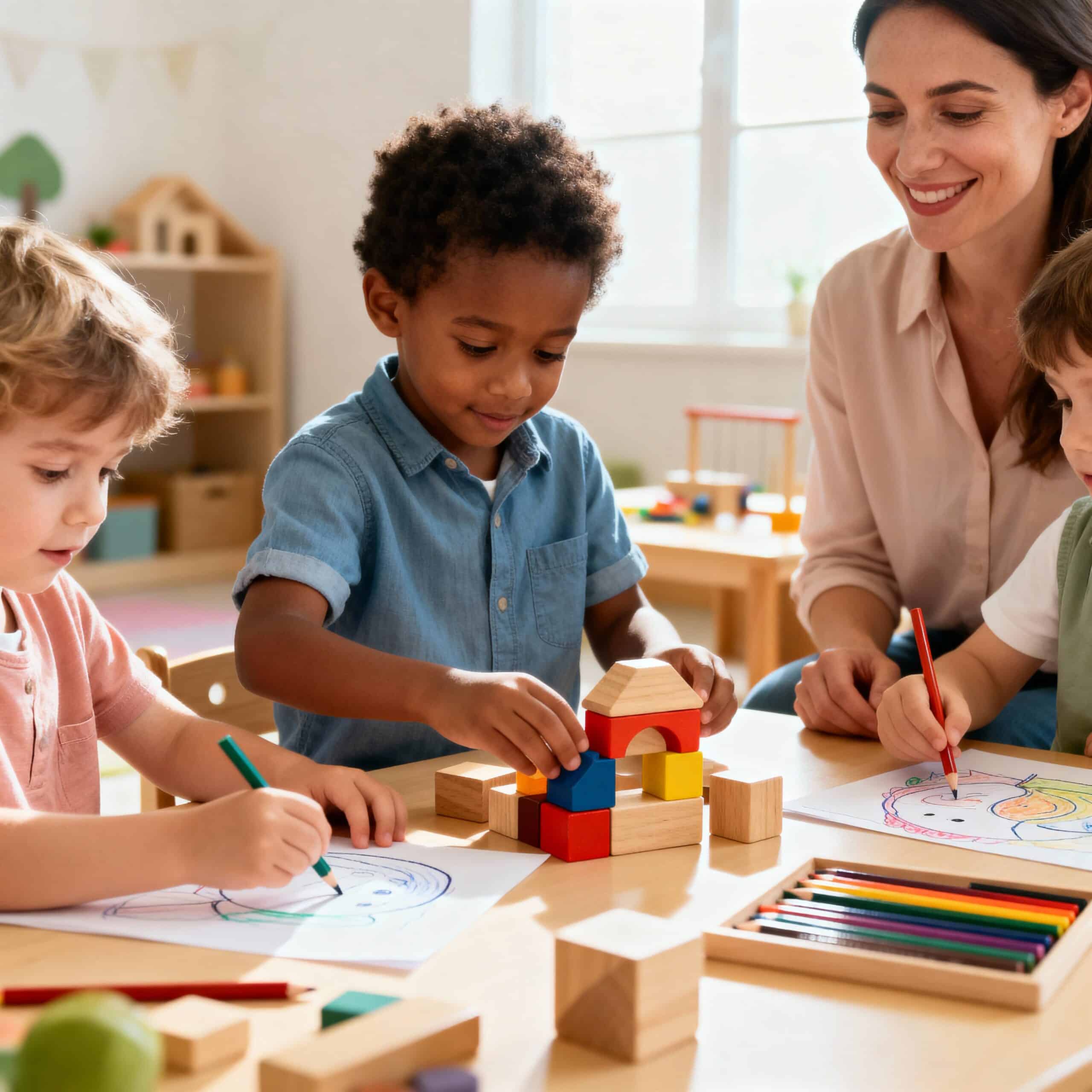
Between ages three and five, your child begins one of the most fascinating chapters of growth, a time when curiosity blooms, language explodes, and personality shines. During child development 3–5 years, your little one becomes more independent, imaginative, and socially aware. They ask endless questions (“Why is the sky blue?”), play pretend, and start learning what it means to be a friend.
These preschool years are all about balance, between freedom and guidance, play and learning, independence and connection. Understanding what’s happening in your child’s body and mind will help you support this stage with confidence, patience, and joy.
Let’s explore the key milestones of child development 3–5 years, and how you can nurture growth in every area, physical, cognitive, emotional, and social.
Physical Child Development 3–5 Years: Strength, Balance, and Movement
The preschool years are full of motion, running, jumping, climbing, spinning, and exploring. During child development 3–5 years, coordination and balance improve rapidly, allowing your child to participate in more complex play.
Common milestones:
- By age 3: walking confidently, throwing a ball, and beginning to pedal a tricycle.
- By age 4: hopping on one foot, catching large balls, and climbing playground equipment with ease.
- By age 5: running smoothly, balancing on one foot for several seconds, skipping, and using utensils skillfully.

Tip for parents:
Create safe spaces for movement, parks, backyard play, or simple living-room obstacle courses. Physical play isn’t just about energy; it builds strength, coordination, and self-confidence.
Cognitive Child Development 3–5 Years: Curiosity and Learning Through Play
At this stage, your child’s brain is buzzing with questions and creativity. Cognitive child development 3–5 years involves imagination, early reasoning, and memory growth.
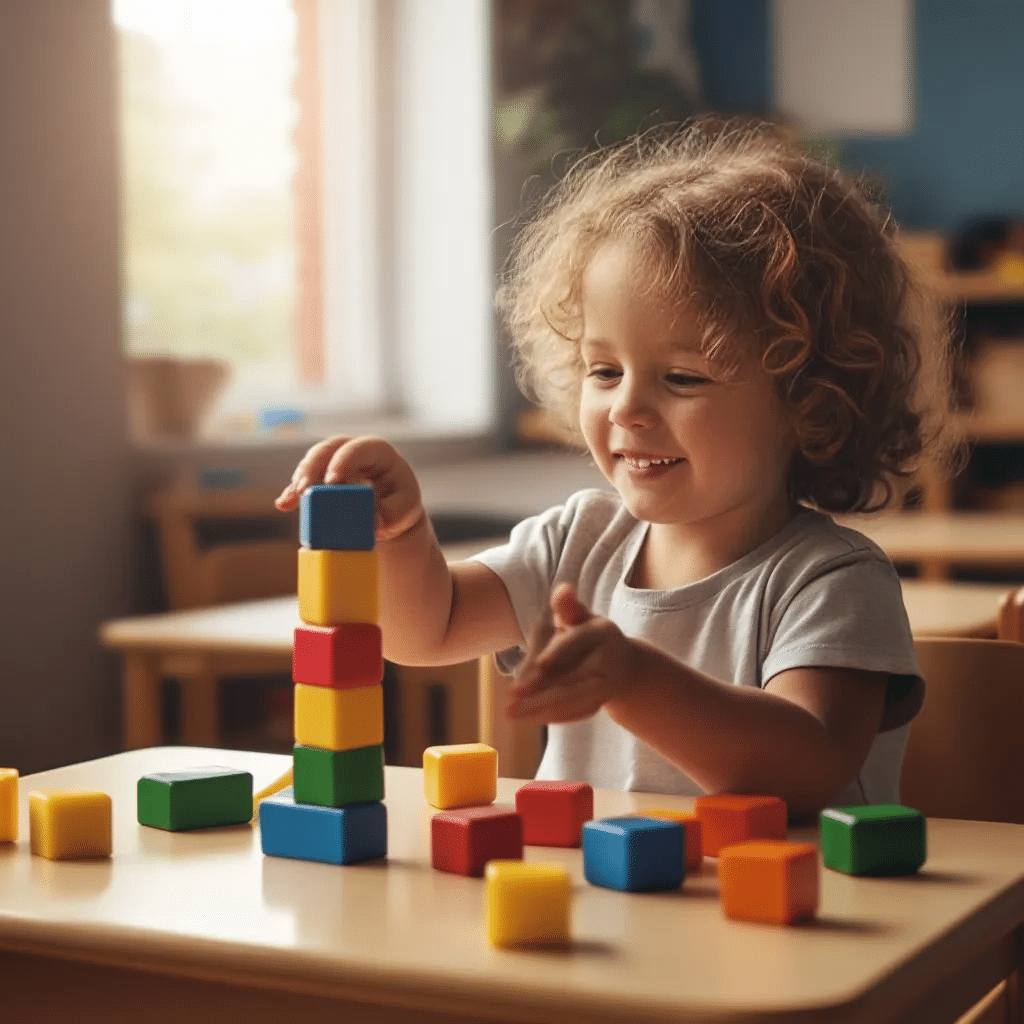
They begin to understand concepts like counting, colors, and shapes, not through drills, but through hands-on discovery. Pretend play (“Let’s cook soup for the doll!”) builds logic, problem-solving, and flexible thinking.
Milestones include:
- Recognizing numbers and letters.
- Understanding simple time concepts (“after lunch,” “tomorrow”).
- Following multi-step directions.
- Engaging in pretend play and storytelling.
Tip for parents:
Encourage play that involves sorting, building, or role-playing. Ask open questions like, “What do you think will happen next?”, it sparks critical thinking.
Language Development 3–5 Years: Talking, Listening, and Storytelling
Language takes off during child development 3–5 years. Children move from short phrases to full sentences and lively conversations. By age five, most can tell simple stories, ask endless “why” questions, and understand humor.
Typical language milestones:
- 3 years: Speaks in 3- to 4-word sentences.
- 4 years: Understands most of what’s said at home; uses pronouns correctly.
- 5 years: Speaks clearly, retells stories, and uses future tense (“We will go tomorrow”).
Reading together daily helps language flourish. Books introduce new words, patterns, and rhythms of speech.
Tip for parents:
Talk with your child often, not to them. Ask questions, wait for responses, and listen with full attention. This builds vocabulary and confidence.
Emotional Development 3–5 Years: Confidence and Self-Expression
The preschool years bring big feelings. During child development 3–5 years, children begin to recognize emotions, their own and others’. They may cry one minute, giggle the next, and proudly announce, “I did it myself!”
Learning to manage frustration, share attention, and handle small disappointments are all emotional milestones. Self-confidence grows when children feel heard, loved, and capable.
Tip for parents:
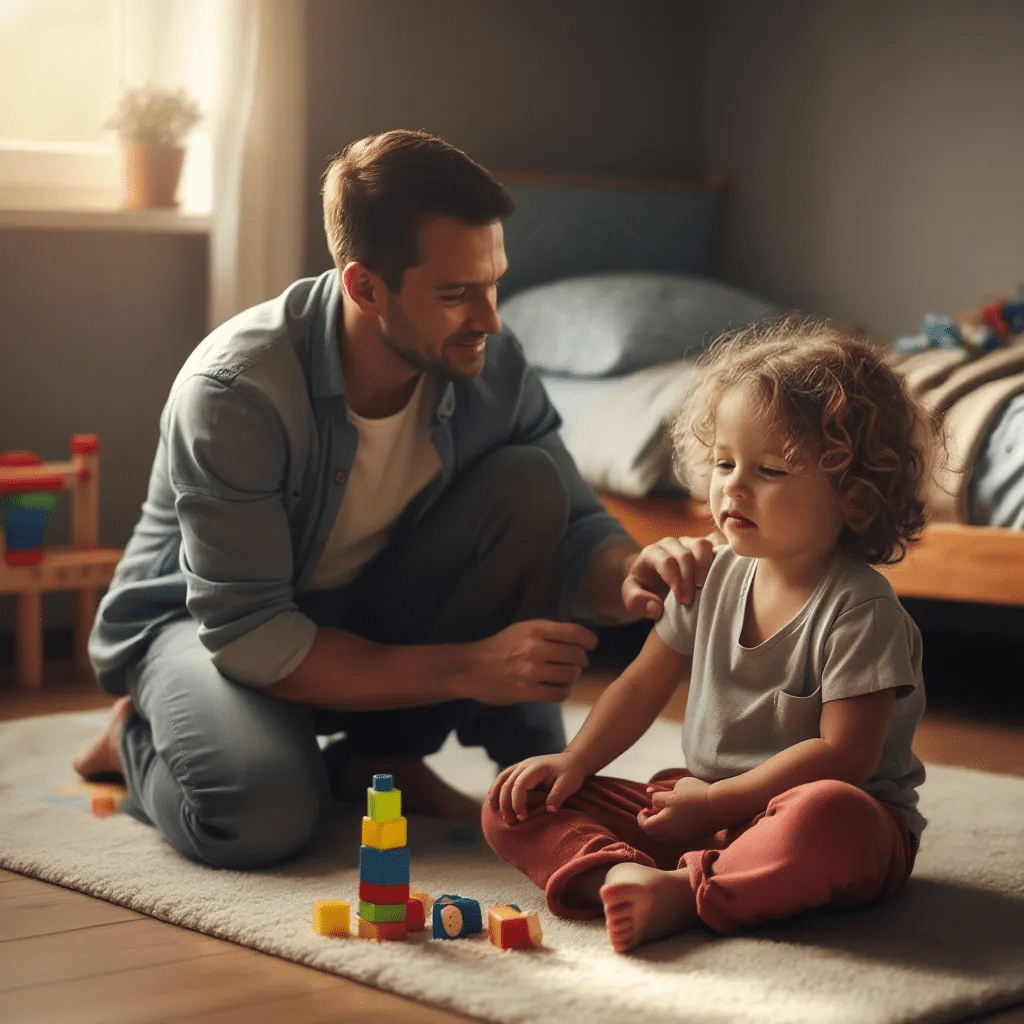
Name feelings out loud: “You’re sad because the tower fell.” This teaches emotional awareness and helps your child learn to self-regulate.
Social Child Development 3–5 Years: Friendships and Empathy
Social understanding deepens rapidly during child development 3–5 years. Your child starts playing with others, not just alongside them. They learn sharing, turn-taking, and empathy through play and daily routines.
Friendships become meaningful they have favorite playmates and may even use the word “best friend.” However, occasional conflicts or possessiveness (“That’s mine!”) are normal parts of social learning.
Tip for parents:
Model kindness. Let your child see you apologize, share, and show patience. Social skills are caught more than taught.
Creative Child Development 3–5 Years: Art, Music, and Imagination
Creativity blossoms between three and five. Drawing, dancing, and singing are not just hobbies, they are tools for self-expression and emotional growth in child development 3–5 years.

Art helps preschoolers translate feelings into color and form. Music and movement refine rhythm and coordination while boosting joy and focus.
Tip for parents:
Offer crayons, playdough, and child-safe instruments. Praise effort (“You worked hard on that!”) instead of perfection. Creativity thrives in encouragement, not pressure.
Challenges in Child Development 3–5 Years: What’s Normal and When to Seek Guidance
All children grow at different paces. Some talk earlier; others excel in movement or imagination. During child development 3–5 years, a few common concerns may arise, tantrums, shyness, or difficulty focusing.
Talk to your pediatrician if your child:
- Rarely makes eye contact or shows little interest in peers.
- Has very limited speech or unclear words by age 4.
- Seems unusually fearful or withdrawn.
Tip for parents:
Instead of comparing your child to others, look for steady progress. Every child has a unique timeline and early support can make a big difference.
Supporting Healthy Child Development 3–5 Years: Parenting with Balance
Your presence and encouragement shape your child’s confidence more than any toy or activity. The secret to supporting child development 3–5 years is consistency, warmth, and playfulness.
Practical ways to nurture growth:
- Keep predictable routines (mealtimes, bedtime).
- Offer choices to build autonomyUse positive discipline (“Let’s try again”).
- Read, talk, and laugh daily.
- Celebrate effort, not just success.
Tip for parents:
Think of yourself as your child’s coach, not controller. Gentle guidance and love make them feel safe to explore, make mistakes, and grow.
Summary of Child Development 3–5 Years: A Season of Confidence and Discovery
The preschool years are a dance between independence and connection. During child development 3–5 years, your child grows stronger, braver, and more curious about everything around them.
Physically: they master coordination and balance.
Cognitively: imagination and early logic bloom.
Emotionally: they start naming feelings and showing pride.
Socially: they form friendships and empathy.
Creatively: they express their inner world through art and play.
These years aren’t about perfection, they’re about presence. By playing, listening, and encouraging curiosity, you’re helping your child build lifelong confidence and emotional security.
FAQs About Child Development 3–5 Years
What are the main milestones in child development 3–5 years?
Children ages 3–5 build coordination, imagination, language, and emotional understanding. They learn to run, hop, share, communicate clearly, and express feelings, laying the foundation for confidence and learning.
How can I help my child’s language development?
Talk, sing, and read with your child every day. Ask open-ended questions that invite more than yes/no answers. Storytelling, songs, and conversations about daily events expand vocabulary and communication skills.
Why is play important for preschoolers?
Play is how children learn best. It builds creativity, social skills, emotional regulation, problem-solving, and physical coordination. Pretend play, art, and outdoor exploration strengthen both brain and heart development.
How do I handle tantrums at this age?
Stay calm and consistent. Name the emotion (“You’re frustrated because you wanted more playtime”) and offer comfort once your child begins to calm. Help them learn words to express big feelings next time.
What if my child doesn’t play with others?
Some preschoolers prefer solo or parallel play at first. Encourage gentle group activities and model friendliness, but don’t force interaction. Most children become more social naturally with time and trust.
When should I worry about developmental delays?
Talk with your pediatrician if your child struggles to communicate clearly by age 4, avoids eye contact, has trouble following directions, or shows little interest in play or peers. Early assessment supports healthy progress.
Growing Side by Side
The ages of three to five are pure discovery, for both child and parent. There will be messes, laughter, questions, and proud moments. Through it all, your love and guidance help your child understand not just how to learn, but how to feel, connect, and belong.
Cherish this stage, it’s the heartbeat of growth, curiosity, and human connection.