

The School Years: Growing Minds, Growing Hearts
Between ages six and twelve, your child begins to step into a bigger world, one filled with friends, school challenges, and a growing sense of self. During child development 6–12 years, children learn not just facts and skills, but empathy, responsibility, and confidence.
This period, often called middle childhood, is where independence blossoms. Your child starts thinking deeply, managing emotions better, and caring about how others feel. They balance curiosity with new responsibilities and begin discovering who they are in relation to others.
Understanding this stage helps you guide your child with patience and encouragement, supporting both their bright mind and their growing heart.
Physical Child Development 6–12 Years: Strength, Energy, and Body Awareness
Physical growth during child development 6–12 years is steady and empowering. Children become stronger, more coordinated, and aware of their bodies. They can ride bikes confidently, play organized sports, or dance to their favorite songs with rhythm and joy.
Typical milestones:
- Improved balance and endurance.
- Stronger fine motor skills (writing, drawing, crafts).
- Awareness of personal hygiene and appearance.
- Interest in sports, games, or physical activities.
Tip for parents:
Encourage daily movement, walks, sports, or even playful chores. Focus on enjoyment, not competition. Celebrate effort, teamwork, and fun.
Cognitive Child Development 6–12 Years: Curiosity, Memory, and Problem-Solving
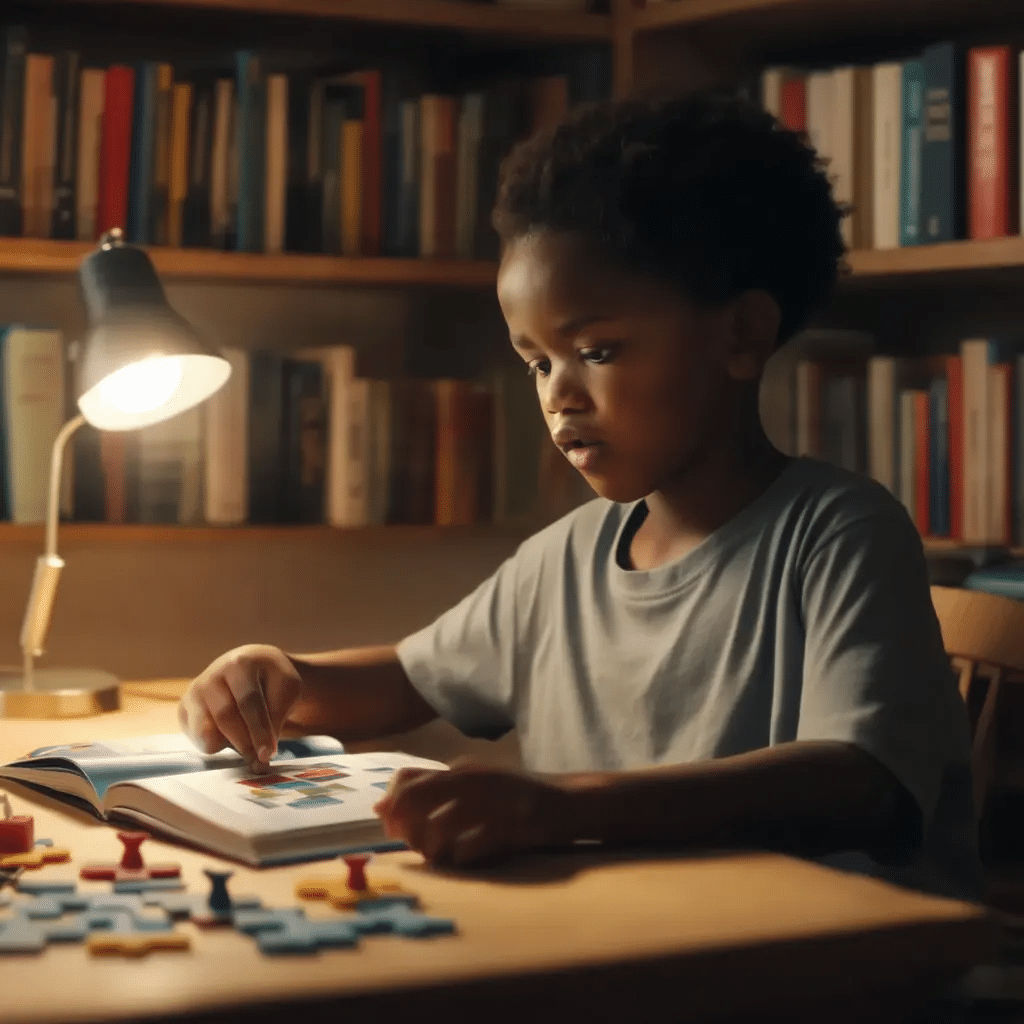
Your child’s thinking becomes sharper and more logical during child development 6–12 years. They understand cause and effect, learn to plan ahead, and solve problems independently. School becomes a training ground for focus, reasoning, and persistence.
You’ll notice curiosity blooming: “Why do stars move?” “How do airplanes fly?” These questions reflect the growth of critical thinking.
Milestones:
- Improved concentration and working memory.
- Ability to follow multi-step directions.
- Beginning to grasp time, order, and quantity.
- Interest in experiments, books, and facts.
Tip for parents:
Encourage exploration instead of giving instant answers. Say, “Let’s find out together.” Curiosity fuels lifelong learning.
Language Development 6–12 Years: Reading, Writing, and Expressing Ideas
Language and communication take center stage in child development 6–12 years. Children expand vocabulary, learn to write stories, and discuss feelings or opinions with greater clarity. They enjoy reading about heroes, mysteries, or science and begin understanding humor and figurative language.
Milestones:
- Uses complex sentences and richer vocabulary.
- Reads independently and summarizes stories.
- Writes short essays or keeps journals.
- Enjoys debates, jokes, and wordplay.
Tip for parents:
Make reading a shared joy, not a task. Discuss characters, ideas, and emotions from stories. Listening and reflecting together strengthen empathy and comprehension.
Emotional Development 6–12 Years: Understanding and Managing Feelings
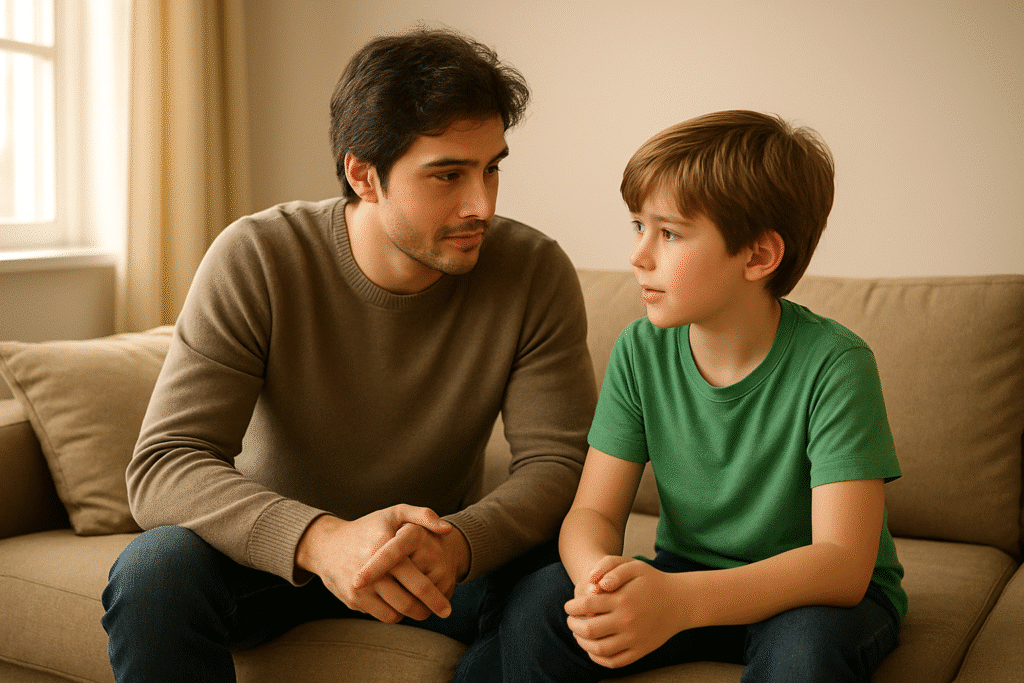
Children at this stage are emotional explorers. During child development 6–12 years, they begin to name, understand, and manage complex feelings like guilt, pride, or frustration.You might see more mood swings or self-consciousness, especially around peers. These are signs that emotional awareness is growing.
Tip for parents:
When your child feels upset, start with empathy: “I can see that made you angry.” Validation teaches that emotions are safe and manageable.
Social Child Development 6–12 Years: Friendships, Teamwork, and Peer Identity

Social life becomes central in child development 6–12 years. Friends offer belonging, laughter, and lessons in empathy. Through play, teamwork, and small conflicts, children learn negotiation, cooperation, and fairness.
They also start comparing themselves to others, in skills, looks, or popularity. This is normal but can affect confidence.
Tip for parents:
Be present but not intrusive. Ask about their day, their friends, and how they felt, without judgment. Listening builds trust.
Moral and Character Development 6–12 Years: Right, Wrong, and Responsibility
Moral understanding deepens during child development 6–12 years. Children start questioning fairness, justice, and honesty. They notice when rules don’t seem fair and may stand up for others.
Key developments:
- Awareness of consequences.
- Desire to be “good” or responsible.
- Understanding empathy and compassion.
- Interest in helping others or volunteering.
Tip for parents:
Discuss real-life dilemmas: “What would you do if your friend broke something and didn’t tell?” Encourage reasoning, not just rule-following.
Challenges in Child Development 6–12 Years: Balance, Screen Time, and Confidence
Modern life adds new challenges to child development 6–12 years, managing digital distractions, school stress, and self-esteem pressures. Children may struggle to balance school, friends, and rest.
Common concerns:
- Too much screen time or gaming.
- Academic pressure or fear of failure.
- Comparison and perfectionism.
- Early signs of anxiety or withdrawal.
Tip for parents:
Establish tech-free zones, encourage outdoor play, and praise effort instead of results. Remind your child that mistakes are opportunities to learn, not failures.
Supporting Healthy Child Development 6–12 Years: Parenting for Independence
This stage is about gradually letting go, with trust. During child development 6–12 years, your child seeks independence while still needing emotional safety.
Encourage problem-solving, decision-making, and personal responsibility. Let them pack their school bag, make small choices, and manage simple tasks.
Tip for parents:
Shift from “fixing” to “coaching.” Ask, “What’s your plan?” instead of giving all the answers. This builds confidence and resilience.
Summary of Child Development 6–12 Years: Growing Minds and Open Hearts
These school years are full of steady growth and subtle transformation.During child development 6–12 years, children:
- Strengthen physical coordination and body awareness.
- Expand logical thinking and curiosity.
- Express complex emotions with growing empathy.
- Build meaningful friendships and moral values.
- Learn independence through responsibility.
In short:
The best gift you can offer your child now is trust, trust in their abilities, their emotions, and your ongoing connection. When children feel supported but free, they flourish into confident, kind, and capable preteens.
FAQs About Child Development 6–12 Years
What are the main milestones in child development 6–12 years?
Children ages 6–12 develop stronger coordination, reasoning, emotional awareness, and social maturity. They learn independence, teamwork, empathy, and problem-solving while forming a sense of identity and responsibility.
How can I support my child’s independence while keeping boundaries?
Offer age-appropriate choices, clear expectations, and consistent routines. Let your child make small decisions and experience natural consequences while maintaining safety and respect.
What helps build emotional intelligence in children?
Model empathy, talk openly about feelings, and encourage reflection. Ask questions like “How do you think they felt?” to build perspective-taking and emotional understanding.
How much screen time is healthy for kids 6–12?
Experts recommend limiting recreational screen time to 1–2 hours per day. Encourage balance with outdoor play, reading, hobbies, and family activities.
How can I help with friendship problems or peer pressure?
Listen without judgment and validate your child’s feelings. Role-play scenarios and help them practice assertive communication and healthy boundaries.
What if my child struggles with confidence or learning?
Praise effort and persistence rather than perfection. Collaborate with teachers, and seek guidance early if learning or emotional challenges persist. Confidence grows through encouragement and small successes.
Growing With Grace
Parenting a child between six and twelve means walking beside them, not ahead or behind. You’ll watch them make choices, form opinions, and sometimes stumble. That’s growth in motion.
Celebrate who they’re becoming. Encourage, listen, and stay curious.Because at the heart of child development 6–12 years, your love remains their greatest teacher.