Building Respect From the Inside Out
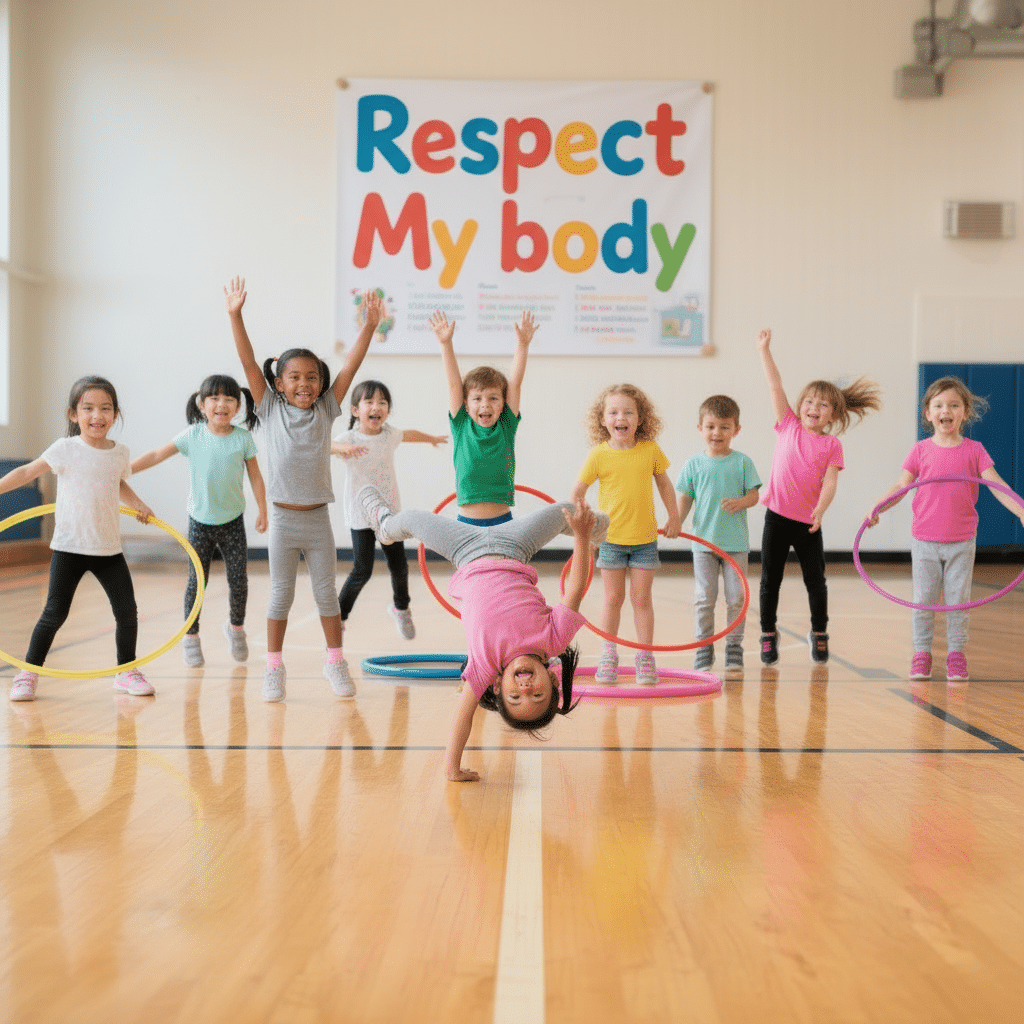
Teaching children “Respect My Body” goes far beyond lessons about hygiene or safety, it’s about helping them feel at home within themselves. When children understand that their bodies are their own, they begin to see themselves as capable, worthy and unique. This simple yet powerful truth shapes how they speak, move, and connect with others.
By teaching kids to respect their bodies, we give them the language of self-confidence, the courage to trust their instincts, express what feels right or wrong and celebrate who they are. We also strengthen their sense of safety, as they learn that their comfort matters and that saying “no” is a healthy act of self-care. And through empathy, they begin to recognize that every person’s body deserves the same respect.
At home, this teaching happens through everyday moments: bath time, choosing clothes, or talking about feelings. In the classroom, it becomes part of group activities, creative play, and open discussions where curiosity is welcomed.
This gentle, practical guide offers ways to nurture body awareness and self-respect in children’s daily lives. Each lesson helps them grow more confident in their bodies, more mindful of their emotions, and more compassionate toward others because learning to say “my body belongs to me” is also the first step to understanding “and everyone else’s body belongs to them.”
Why Teaching Kids“Respect My Body” Matters
Children are born curious about their bodies, they touch, explore, and move as a way to understand themselves and the world. Teaching them “Respect My Body” helps transform this natural curiosity into self-awareness, confidence, and emotional safety.
When children learn to respect their own bodies, they begin to build a positive inner voice:
“My body is good.”
“I have the right to say no.”
“I can take care of myself and others.”
This simple understanding lays the foundation for mental health, healthy relationships, and resilience throughout life.
Body respect also protects children. When they know their body belongs to them, they are more likely to speak up if something feels wrong whether it’s an unwanted touch, a hurtful comment, or a situation that makes them uncomfortable. It gives them language and permission to trust their instincts, something many adults were never taught.
For parents and teachers, teaching “Respect My Body” is also about shaping a culture of kindness. When kids understand how to value themselves, they naturally extend that respect to others. They become more compassionate, inclusive, and aware that every person regardless of shape, ability, or color deserves to feel safe and valued in their body.
In short, teaching “Respect My Body” is not just a safety lesson it’s a life lesson. It helps children feel proud of who they are, confident in their boundaries, and gentle in how they treat others. These are the roots of empathy, dignity, and genuine self-respect that will grow with them into adolescence and adulthood.
Understanding “Respect My Body” in Simple Terms
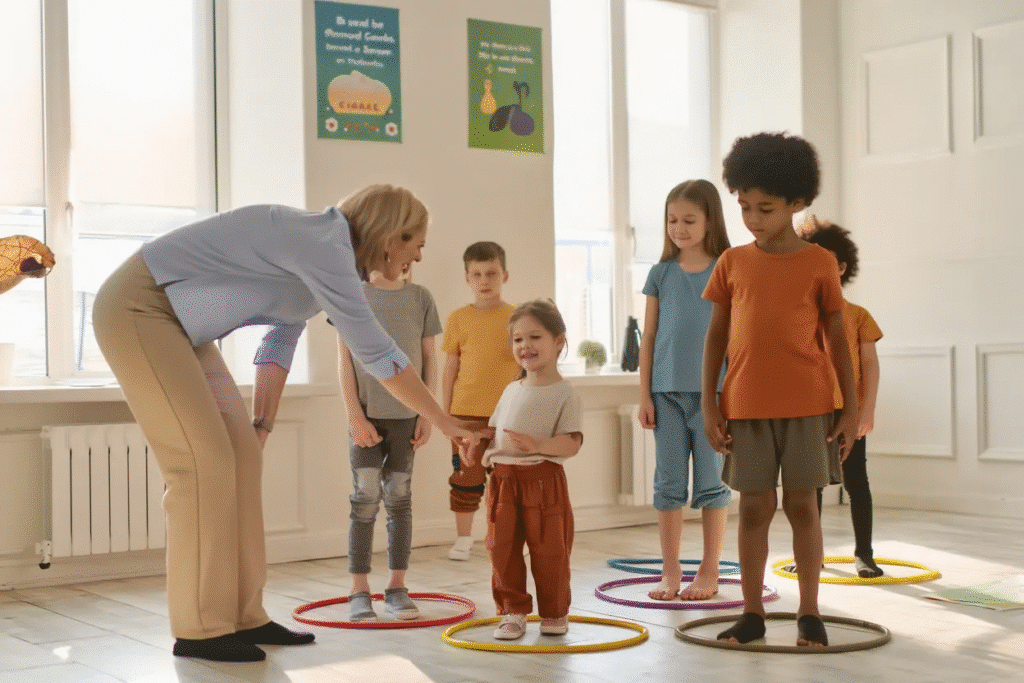
Before children can practice body respect, they need to understand what it means in words and feelings they can grasp.
At its heart, “Respect My Body” means:
“My body belongs to me. I take care of it, I listen to it, and I decide what feels right for me.”
It’s a simple phrase, but it carries deep emotional and developmental meaning. For young children, this understanding begins with small daily actions: choosing what clothes feel comfortable, washing their hands by themselves, or asking for a hug instead of being told to give one. These moments show them that their body has a voice and that adults will listen to it.
To “respect my body” also means learning that bodies are not for comparison or judgment, but for living, learning, and expressing. Every body moves, feels, and grows in its own way. When children hear this message early, they begin to view differences not as flaws, but as part of what makes each person special.
In simple terms, teaching body respect helps children connect with three key ideas:
- Ownership: “This is my body, and I decide what happens to it.”
- Care: “I keep my body healthy and safe because it’s important.”
- Empathy: “I treat other people’s bodies with the same respect I want for mine.”
Through stories, games, and real-life examples, these ideas become part of everyday thinking. Whether it’s a teacher saying, “Let’s ask before we hug,” or a parent reminding, “You can say no if you don’t want to be tickled,” children begin to understand respect not as a rule but as a feeling of safety and confidence that lives inside them.
In essence, “Respect My Body” is both a right and a responsibility, to love, protect, and honor the body they have, and to offer that same respect to everyone around them.
7 Empowering Lessons Kids Can Learn About Body Respect
1) My Body Belongs to Me
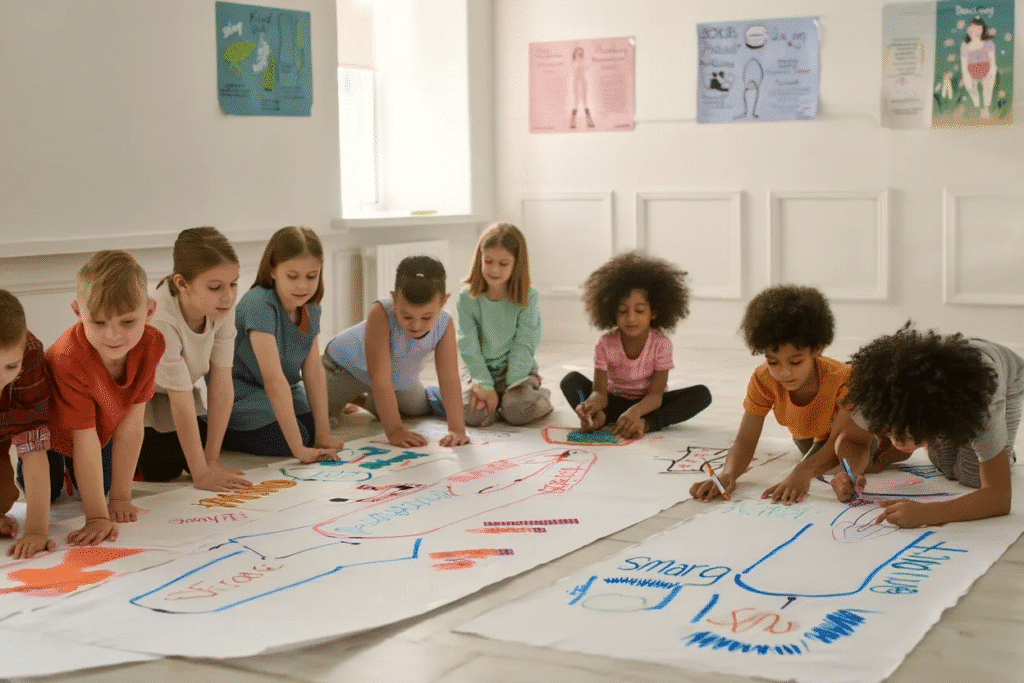
“Your body is special and belongs to you.” Try a self-portrait or body-outline art project. Add words like strong, curious, brave to build pride and a positive inner voice.
2) Safe and Unsafe Touch
Explain gently: some touches help us feel safe (holding hands to cross the street); unsafe touches feel confusing, scary, or hurtful. Kids can always tell a trusted adult and are never in trouble for speaking up.
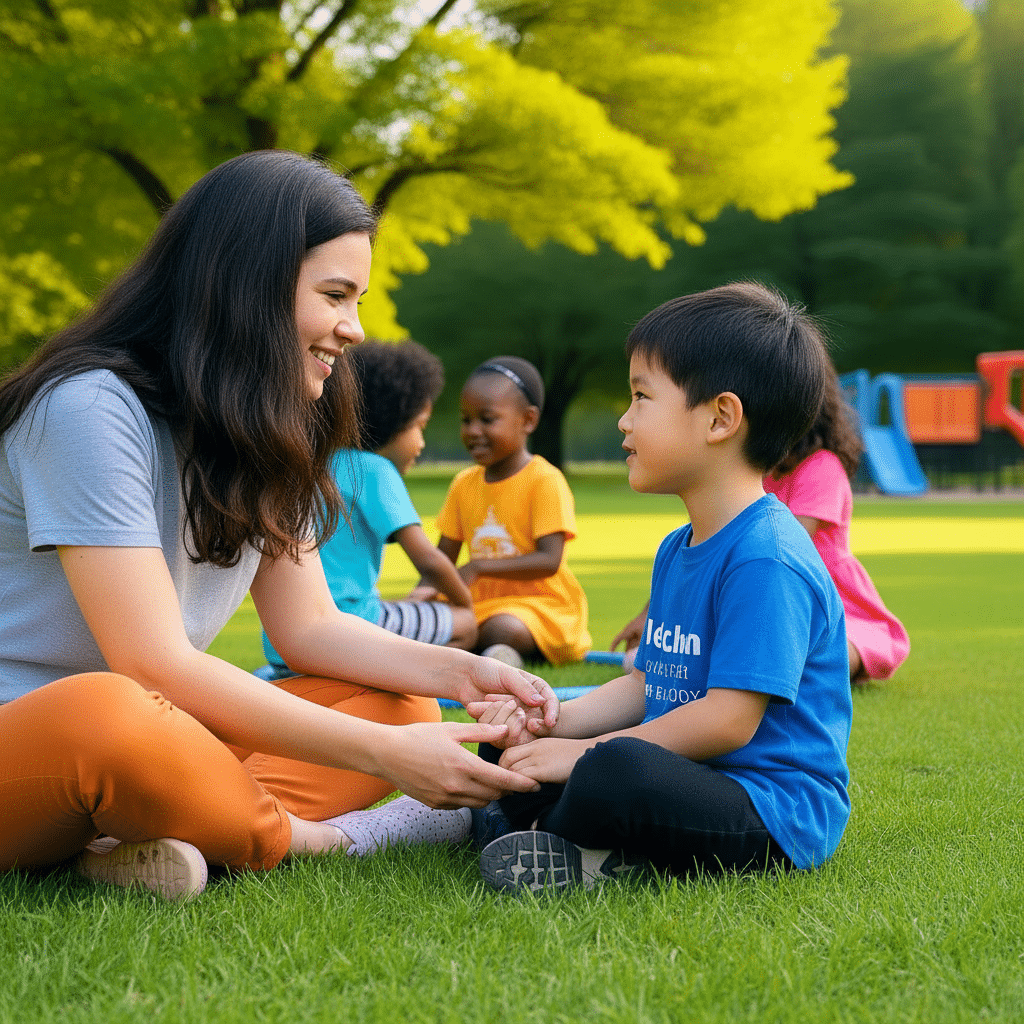
3) Private Parts and Personal Space
Use simple language: private parts are the parts covered by a swimsuit. No one should look at or touch them, except for health/hygiene with consent. Play the “bubble of space” game to practice comfortable distance.
4) Listening to Body Feelings
Help kids notice “green light” feelings (calm, happy, safe) and “red light” feelings (uneasy, pressured, scared). Bodies send helpful signal we can listen and act.
5) Saying “No” and Setting Boundaries
“No” protects our space. Practice polite, firm phrases: “No thanks, I don’t want a hug right now,” or “Please ask before taking my toy.” Role-plays make confidence grow.
6) Celebrating What My Body Can Do
Shift focus from appearance to ability: “My hands help me paint,” “My legs help me jump.” Appreciation builds sturdy self-esteem.
7) Respecting Others’ Bodies Too
Once children learn to say, “My body belongs to me,” they’re ready to take the next big step, understanding that everyone else’s body belongs to them too.
Respect doesn’t stop at self-awareness; it grows into empathy. When kids grasp that others have the same right to safety, comfort and choice, they begin to form relationships based on kindness and equality.
In simple, everyday language, this lesson sounds like:
“We ask before we hug someone.”
“If a friend says no, we listen.”
“We use kind words about bodies.”
“We don’t laugh at someone’s body or touch without asking.”
These small sentences shape big social skills, they teach children how to honor consent, understand limits, and express care. They also prepare them for later stages of life, when respecting emotional and digital boundaries becomes equally important.
At home or in the classroom, you can help children practice by creating “respect rules” together:
“I ask before I touch.”
“I listen to other people’s ‘no.’”
“I include everyone in games.”
These rules become part of the child’s moral compass, guiding not only how they treat others but also how they expect to be treated.
When children learn to respect others’ bodies, they discover that boundaries aren’t walls, they’re bridges of trust. They learn that saying “no”doesn’t break connection; it builds honesty and safety in relationships.
Ultimately, this lesson turns self-respect into mutual respect, the foundation for empathy, healthy friendships, and a caring community.
Because when every child grows up thinking “My body matters and so does yours,” the world becomes a little safer, softer, and kinder for everyone.
Tips for Parents and Teachers
- Use correct anatomical names to normalize healthy conversations.
- Repeat often: respect is a routine, not a one-time talk.
- Model respect: show care for your own body and others’ bodies.
- Invite questions: “Great question, let’s think about it together.”
- Include diversity: represent many bodies, abilities, and cultures.
Respect My Body FAQs
What does “Respect My Body” mean for kids?
It means understanding that their body belongs to them, that they can make choices about it, and that caring for and protecting their body is important. It teaches self-worth, safety, and empathy.
When should I start teaching body respect?
Start early, around ages 3–5, when children begin to recognize personal space and independence. Early, age-appropriate conversations create comfort and confidence.
How do I explain private parts to my child?
Use correct anatomical terms in a calm, clear tone: “These parts are private and belong only to you.” Explain that no one should touch or look without consent, except for health or hygiene with permission.
What if my child feels embarrassed when we talk about body respect?
Stay calm and natural. Your relaxed tone helps normalize the topic. Encourage questions and let your child know it’s okay to talk about their body anytime.
What should kids do if someone breaks a boundary?
Teach children to tell a trusted adult immediately. Remind them they are never in trouble for speaking up and that it’s always okay to say “no” to unwanted touch or attention.
How can teachers reinforce body respect in the classroom?
Teachers can integrate respect lessons into daily routines — through group discussions, consent-based games, and classroom “respect rules.” Modeling kindness and empathy builds lasting understanding.
Confidence Grows with “Respect My Body”
When children learn to say, “My body belongs to me,” something beautiful begins to unfold, a quiet confidence that shapes how they see themselves and how they move through the world.
They begin to walk taller, speak up sooner, and listen more deeply to what their bodies tell them.
Respect becomes more than a word, it becomes a feeling of safety, pride, and calm inside. Children who respect their own bodies learn to make thoughtful choices: who to trust, how to care for themselves and how to treat others kindly. They understand that every “yes” and every “no” matters. Every smile, question, and clear “no” helps children feel safe and strong. “Respect my body” is the seed of self-worth and the start of kindness toward others.
As adults, our role is not to lecture but to model. Every time we honor a child’s comfort zone by asking, “Do you want a hug?” instead of assuming, we show that their boundaries count. Each time we speak positively about our own bodies, we teach them self-acceptance.
Through everyday moments: brushing teeth, getting dressed, asking for help, children learn that respect starts from within. And once it takes root, it grows outward into empathy, responsibility, and love for others.
Because raising a child who can say with confidence “My body deserves respect, and so do I” means raising a person who will, one day, make the world safer, kinder, and more respectful for everyone.
Next in the trilogy: Understanding Body Boundaries for Teens