
Between childhood and adolescence, children begin to crave more independence, yet they still need guidance on how to protect and express themselves. This is where teaching understanding body boundaries becomes essential.
Tweens are growing fast: physically, emotionally, and socially. They’re beginning to discover privacy, friendship, and identity. Helping them understand personal and emotional boundaries gives them the tools to stay confident, kind, and safe in a world that’s expanding every day.
Why Understanding Body Boundaries Matters
At this age, children start spending more time with friends, online, and in group settings where personal space and privacy can easily blur.
Learning about body boundaries gives tweens three essential forms of protection and growth:
1. Self-awareness: knowing what feels right or wrong.
2. Self-expression: finding the courage to say “no” or “stop.”
3. Empathy: recognizing and respecting others’ needs and limits.
https://irp.cdn-website.com/c0b5a4ac/fileAccording to the CDC’s Healthy Development for Preteens, emotional safety and clear communication skills are critical to resilience and mental health during this stage.
Boundaries are not rules to control others; they are signals of care and self-respect. They help tweens balance closeness with independence, learning how to connect without losing themselves.
What Are Body Boundaries, in Simple Terms?
Body boundaries are the invisible lines that protect a person’s comfort and dignity. They include both:
- Physical boundaries: personal space, touch, and privacy.
- Emotional boundaries: feelings, opinions, and the right to make choices.
Explain it simply:
“Your body and your feelings belong to you. You get to decide what’s comfortable and what’s not and others deserve the same.”
Resources like Stop It Now! emphasize that teaching these ideas in early adolescence reduces the risk of abuse and encourages healthy communication about consent.
When tweens grasp this, they begin to understand that boundaries aren’t about distance; they’re about respect and safety, for themselves and everyone around them.
6 Powerful Ways to Teach Tweens About Body Boundaries
These strategies are age-appropriate, interactive, and adaptable for home or school.
1️⃣ Recognize Personal Space:
Ask tweens to imagine a “personal bubble.” Everyone’s bubble is different, some people like hugs, others prefer high-fives.
Practice asking permission: “Can I sit here?” “Would you like a hug?”
The UNICEF guide to Social and Emotional Learning encourages educators to model this behavior, showing that empathy starts with noticing and respecting others’ comfort zones.
2️⃣ Learn to Say “No” with Confidence
Tween years are when peer pressure often begins. Teach that saying “no” doesn’t make them rude, it makes them responsible. Role-play scenarios: turning down a dare, refusing unwanted help, or declining a photo request.Remind them that true friends respect a “no.”Parents can find excellent conversation tools in the CDC’s Talking with Teens about Boundaries resource, which highlights the power of role-playing and active listening.
3️⃣ Understand Emotional Boundaries: It’s not only about touch, it’s also about feelings. Tweens can say:“I’m not ready to talk about that.”“That joke makes me uncomfortable.”“Please don’t share that without asking”. Encourage open dialogue, and explain that their emotions are valid. As UNICEF’s Child Protection resources note, emotional awareness helps young people set limits and develop resilience to social pressure.
4️⃣ Respect Privacy: Online and Offline, Tweens live part of their lives online. Teach them that digital boundaries matter as much as physical ones.They should never share photos, personal information, or messages without permission, theirs or someone else’s.Refer to UNICEF’s Digital Safety Tips for Youth, which stress teaching children to think before they post.Parents and teachers can model this by asking before sharing or tagging photos of children online.

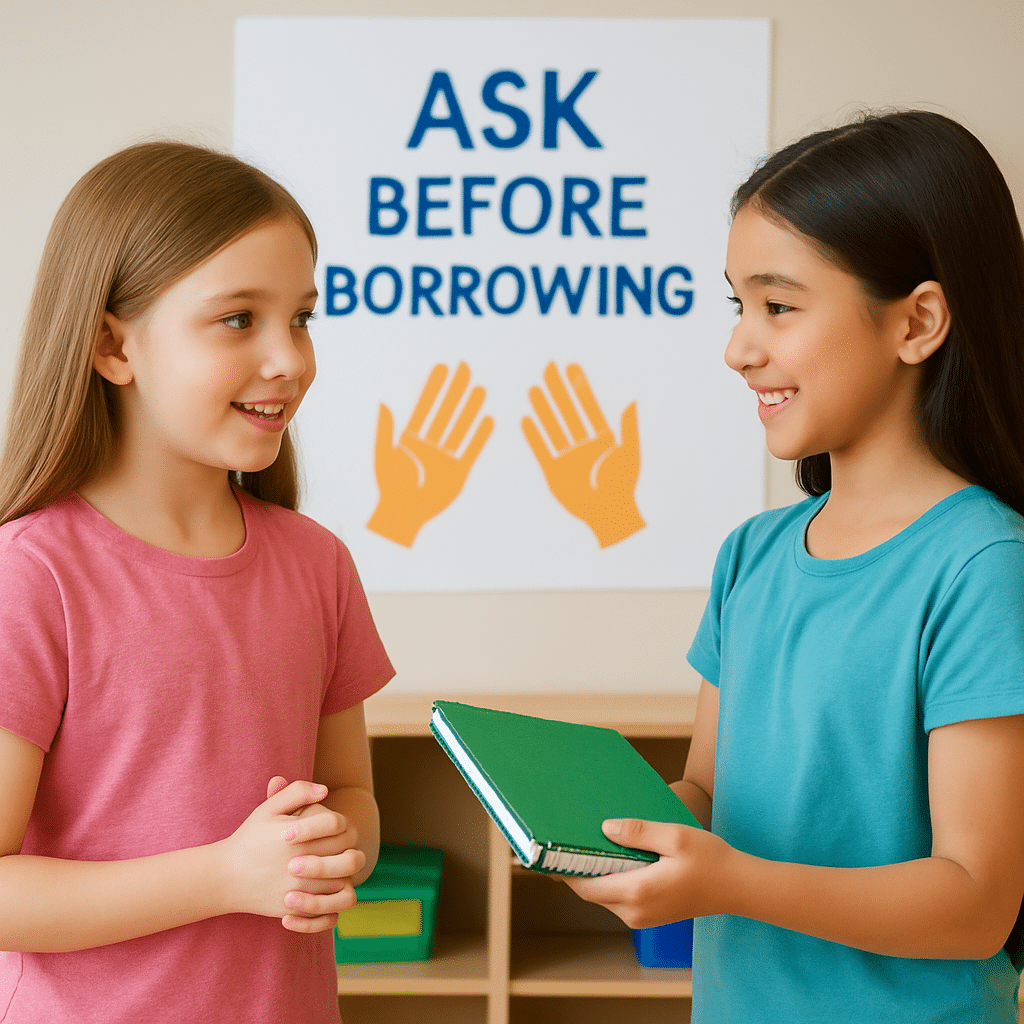
5️⃣ Talk About Consent in Everyday Situations: Consent isn’t only about serious topics, it’s daily life. Examples help:Asking before borrowing something. Checking before joining a private conversation. Stopping if someone looks uncomfortable.Stop It Now suggests normalizing consent early through role-play and empathy exercises, so tweens learn that asking first shows respect, not weakness.
6️⃣ Respecting Cultural and Social DifferencesBoundaries are influenced by culture, personality, and background.Some families greet with hugs; others with handshakes or nods. Help tweens understand that respect means asking and adapting. The CDC’s Cultural Respect in Communication framework encourages awareness of how culture shapes personal space and boundaries.It’s not about right or wrong, it’s about being kind, aware, and flexible.
How Parents and Teachers Can Support Tweens
Normalize boundary talk. Bring it up naturally during family meals or group lessons.
Model it. Adults who respect their own boundaries teach best by example.Avoid shaming. Celebrate curiosity, it’s a sign of growing maturity.
Encourage journaling. Writing helps tweens recognize what feels comfortable or not.
Use real-life examples. The UNICEF Learning Portal suggests using classroom stories to show respect in action.
The goal is not control, it’s empowerment. When tweens feel safe setting limits, they also learn to respect others’ limits.
Understanding Body Boundaries FAQs
What are body boundaries for tweens?
Body boundaries are the physical and emotional limits that help tweens understand personal space, consent, and respect in friendships, school, and everyday life. They teach what’s comfortable, what’s not, and how to communicate those feelings clearly.
Why is understanding body boundaries important?
Learning about body boundaries helps tweens protect themselves, build self-confidence, and form healthy, respectful relationships. According to the CDC, understanding boundaries supports emotional safety and resilience during adolescence.
How can parents explain body boundaries?
Use calm, relatable examples: “You can say no to hugs,” or “You don’t need to share everything online.” Keep the tone supportive and emphasize that their comfort and privacy always matter.
What activities help tweens learn about body boundaries?
Interactive lessons such as group discussions, role-playing, journaling, and digital safety games make learning engaging. Resources like UNICEF’s Online Safety Curriculum provide practical classroom and home activities.
Are online boundaries part of body boundaries?
Yes. Online boundaries are equally important. Tweens should ask before posting, sharing, or tagging others. Respect and consent apply both on- and offline to protect privacy and promote empathy.
How can teachers promote boundary awareness?
Teachers can create classroom norms that emphasize consent, personal space, and empathy. Programs like Stop It Now’s Circles of Safety and UNICEF’s SEL framework help educators model and teach respect for boundaries.

Boundaries Build Confidence and Respect
When tweens learn to set and respect boundaries, they gain more than protection, they gain self-trust.They begin to understand that saying “no” can be caring, that space can be safe, and that respect builds closeness, not distance.
Each “no,” each thoughtful pause, and each honest conversation strengthens their sense of identity. And in time, those lessons grow into empathy, resilience, and maturity.
Because a tween who knows, “My boundaries matter, and so do yours,” will one day become a teen and an adult who builds relationships grounded in trust and respect.
🔗 Continue the Journey
Next in the trilogy: Respect Others’ Boundaries for Teens Previous article: Respect My Body for Kids