
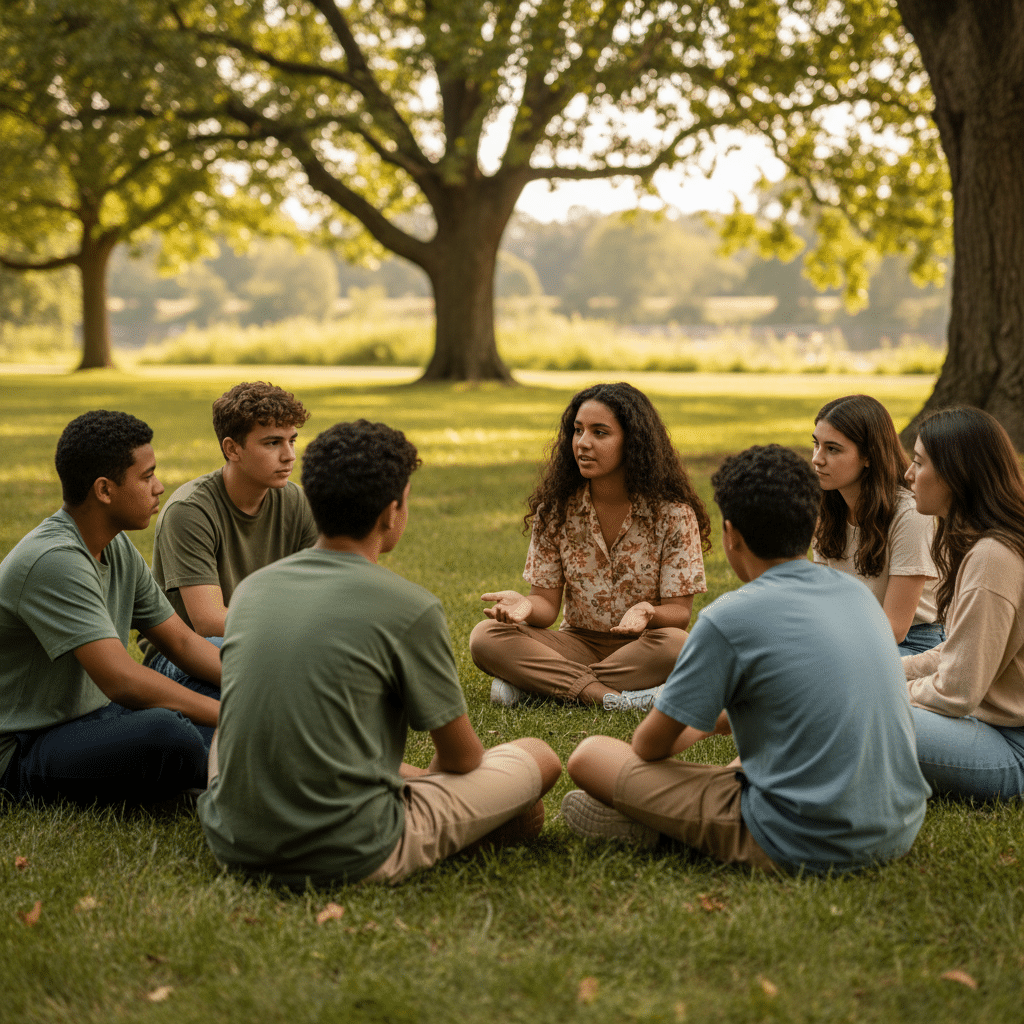
Growing Up Means Learning to Respect Others’ Boundaries
The teenage years are a time of discovery, discovering who you are, what you believe in, and how you want to connect with others. It’s a stage filled with emotions, curiosity, and the desire for freedom. But freedom doesn’t mean doing whatever you want, it means learning how to make choices that honor yourself and the people around you.
That’s where learning to respect others’ boundaries comes in. Boundaries are more than rules or limits. They’re invisible lines that help everyone feel safe, valued, and in control of their own life. When you respect someone’s boundaries, whether it’s physical space, emotional comfort, or digital privacy, you’re saying:
“I see you. I care about how you feel. You can trust me.”
Respecting others’ boundaries is also a mirror: it reflects how much you respect yourself.
Teens who learn to pause, ask, and listen build relationships rooted in trust, empathy, and mutual respect, the kind of relationships that last.
In a world where social pressure, fast communication, and online sharing can blur personal limits, knowing how to respect others’ boundaries becomes a powerful life skill. It protects friendships, strengthens confidence, and teaches that kindness is not weakness, it’s wisdom.
This guide offers seven empowering ways to practice respect for others’ boundaries in everyday life, at school, with friends, in family relationships, and online.
Because growing up isn’t only about finding your voice, it’s also about learning when to listen.
Why Respecting Others’ Boundaries Matters
Boundaries define where one person ends and another begins. They protect our comfort, privacy, and emotional safety and respecting them shows maturity and empathy.
When teens understand and honor others’ boundaries, they:
- Build stronger, more trusting relationships.
- Avoid misunderstandings and peer pressure.
- Gain respect in return.Strengthen their self-respect and confidence.
According to the CDC’s Healthy Relationships for Teens, teens who practice mutual respect have better communication skills and lower stress levels in friendships and dating.
Respecting boundaries isn’t just about what you don’t do, it’s about how you listen, ask, and care.
What It Means to Respect Others’ Boundaries
To respect others’ boundaries means recognizing that every person has the right to feel safe, in their body, their emotions, and their choices. It’s about understanding that comfort isn’t the same for everyone and that trust grows when we listen and ask before acting.
Boundaries are the invisible lines that protect someone’s sense of safety and identity. They define how close we can stand, what we can share, and how we show affection or care. They’re not meant to separate people, they’re meant to help relationships stay balanced and respectful.
Imagine every person carrying a small sign that says:
“This is me, my feelings, my space, my story. Please treat them with care.”
When you respect others’ boundaries, you’re saying, “I see you and I value what makes you comfortable.”
This applies in many areas of daily life:
Physical boundaries: respecting someone’s personal space or asking before hugging.
Emotional boundaries: giving a friend time when they’re upset or not forcing them to talk.
Digital boundaries: asking before posting a photo, screenshot, or message.
According to Planned Parenthood’s Healthy Relationships Guide, respecting boundaries is not just about permission, it’s an ongoing conversation where both people listen, check in, and adjust.
It’s also about reading cues, not just words, but tone and body language. If someone steps back, stays quiet, or looks uneasy, that’s a signal. Respect means pausing, asking, or giving space.
Respecting others’ boundaries doesn’t make relationships colder, it makes them stronger. It builds trust, because people feel safe being themselves around you.
It builds emotional maturity, because you learn that kindness includes restraint. And it builds empathy, the ability to imagine what someone else might be feeling and to act with care.
So, when you respect others’ boundaries, you’re not just following a rule, you’re creating a world where everyone feels seen, safe, and valued. That’s what real connection looks like.

7 Empowering Ways for Teens to Practice Respecting Boundaries
These steps help teens apply respect in friendships, family, school, and online life.
1️⃣ Listen When Someone Says “No”: “No” means stop, in words, actions, or even silence. Listening to “no” shows strength, not rejection. It tells others: “I care about your comfort.”
The CDC’s Teen Safety Guidelines remind that respecting “no” is key to building safe peer and dating interactions.
2️⃣ Ask Before You Share or Touch: Whether it’s borrowing something, tagging a friend, or giving a hug, always ask first. It’s a simple way to show care and prevent misunderstanding. Try phrases like: “Is it okay if I post this?”“Do you want a hug?”“Can I sit here?”
As UNICEF’s Consent Toolkit for Youth notes, asking is a sign of respect, not weakness, it strengthens trust.
3️⃣ Understand Digital Consent and Online Privacy: Digital life blurs personal space. Teens share photos, stories, and emotions instantly, sometimes without realizing the impact. Teach and model digital consent: never share someone else’s image, message, or story without permission.
UNICEF’s Online Safety Guide explains that “digital footprints” can affect self-esteem and safety. Respecting others’ privacy online shows maturity and emotional intelligence.

4️⃣ Manage Peer Pressure and Respect Choices: True friends respect each other’s limits, even if they disagree. Whether it’s about parties, social media challenges, or dating, forcing someone to do something they’re uncomfortable with crosses a boundary.
According to the Stop It Now-Healthy Boundaries Resource, learning to accept “no” builds trust and prevents harm in social situations.
Remind teens: respect isn’t about agreeing with everything, it’s about honoring difference.
5️⃣ Communicate Openly and Honestly: Healthy relationships grow from honest conversations. Encourage teens to use “I” statements: “I feel,” “I think,” “I need”, to express themselves respectfully. Listening without interrupting builds empathy.
The CDC’s Communication Tips for Teens highlight that mutual respect starts with listening, not just talking.
6️⃣ Recognize Emotional Boundaries in Friendships: Emotional respect means knowing when to step in and when to give space. If a friend says, “I need time alone,” or “I don’t want to talk about that,” honor it. Pushing for details or advice can overwhelm them.
https://www.unicef.org/adolescentmentalhealthhub/resourcesAccording to UNICEF’s Emotional Health Resources, respecting emotional space builds trust and reduces stress in friendships.
7️⃣ Model Respect in Your Own Behavior: The best way to teach respect is to live it.
- Apologize when you overstep.
- Ask before borrowing or sharing.
- Acknowledge others’ perspectives, even when they differ.
This self-awareness transforms respect from a concept into a lifestyle.
How Parents and Educators Can Support Teens
- Encourage open, judgment-free conversations about consent and relationships.
- Model respectful communication and privacy at home.
- Use media or current events to discuss boundaries and values.
- Guide teens toward credible sources, such as Planned Parenthood’s Teen Relationships Hub or the CDC’s Teen Health Center.
Reinforce that respecting boundaries applies everywhere, in families, friendships, classrooms, and online spaces.
FAQs Respect Others’ Boundaries
What does it mean to respect others’ boundaries?
It means recognizing and honoring other people’s physical, emotional, and digital comfort zones without pressure, guilt, or judgment. You pause, ask, listen—and adjust your behavior to keep trust and safety intact.
Why is respecting boundaries important for teens?
Respecting boundaries builds trust, empathy, and emotional safety in friendships, dating, family, and school. It prevents misunderstandings and harm while strengthening communication and self-respect.
How can I show respect if I don’t agree with someone’s boundary?
You don’t have to agree to respect it. Acknowledge their comfort level, avoid pushing or persuading, and choose actions that keep both of you safe and respected.
How can teens practice digital consent and online privacy?
Ask before posting, tagging, forwarding screenshots, or sharing DMs. If someone hesitates or says no, don’t share. Remember that digital footprints can affect safety and well-being.
What should I do if someone crosses my boundary?
State your boundary calmly and clearly (“Please don’t do that”). If it continues, create space, document if needed, and tell a trusted adult, counselor, or teacher. Your safety matters.
Can respecting others’ boundaries improve self-respect?
Yes. Practicing respect for others reinforces your values, self-control, and integrity—key parts of healthy self-respect and leadership.

Growing Up with Mutual Respect
Respect begins with knowing yourself and it grows when you learn to know others.
After all, the journey that started with “My body belongs to me” and continued with “I can set boundaries” naturally leads to “I can respect yours, too.”
When teens learn to respect others’ boundaries, they carry forward everything they’ve discovered about self-respect, empathy, and communication. They begin to understand that real maturity isn’t about control or approval, it’s about awareness and care. In a world that often celebrates confidence louder than compassion, choosing to pause, ask, and listen becomes an act of strength. It shows integrity, emotional intelligence, and leadership.
It turns relationships, with friends, partners, parents, and teachers, into spaces of trust and safety rather than pressure or fear. Respecting others’ boundaries doesn’t mean building walls; it means building bridges: bridges where each person feels seen, valued, and free to be themselves. It teaches teens that healthy relationships aren’t about winning or giving in, they’re about meeting in the middle, where everyone’s comfort and dignity matter.
As this trilogy comes full circle, from “Respect My Body” to “Understanding Body Boundaries” to “Respect Others’ Boundaries” , one message remains constant:
When we respect ourselves, we make space to respect others.And when we respect others, we protect what’s human in all of us.
So as teens step into adulthood, may they carry this quiet strength: the ability to say “no” with kindness, to listen with empathy, and to live with respect, for themselves, and for everyone they meet.