

In those first months, baby and toddler development can feel like a whirlwind: feeds, night wakings, tears you don’t always understand, and a love so strong it almost hurts. New parents often tell me they’re scared of “messing it up”, especially if, like me, they carry old wounds from childhood. My own history of loss and anxiety made me hyper-vigilant with my first baby, watching every breath and milestone, craving some kind of reliable roadmap.
This guide gives you that kind of roadmap for baby and toddler development, without perfection pressure. I’ll walk you through growth from 0–2 years, month-by-month milestones, feeding struggles, tantrums, gear, and the emotional world that sits behind all of it. You’ll see how simple daily moments, a cuddle after a cry, a silly song during diaper changes, quietly build your child’s sense of secure connection.
Take what fits your family, leave what doesn’t, and remember: good enough, present, imperfect parenting already gives your child a powerful feeling of wholesome safety.
Child Development 0–2 Years: The Foundation of Growth and Connection
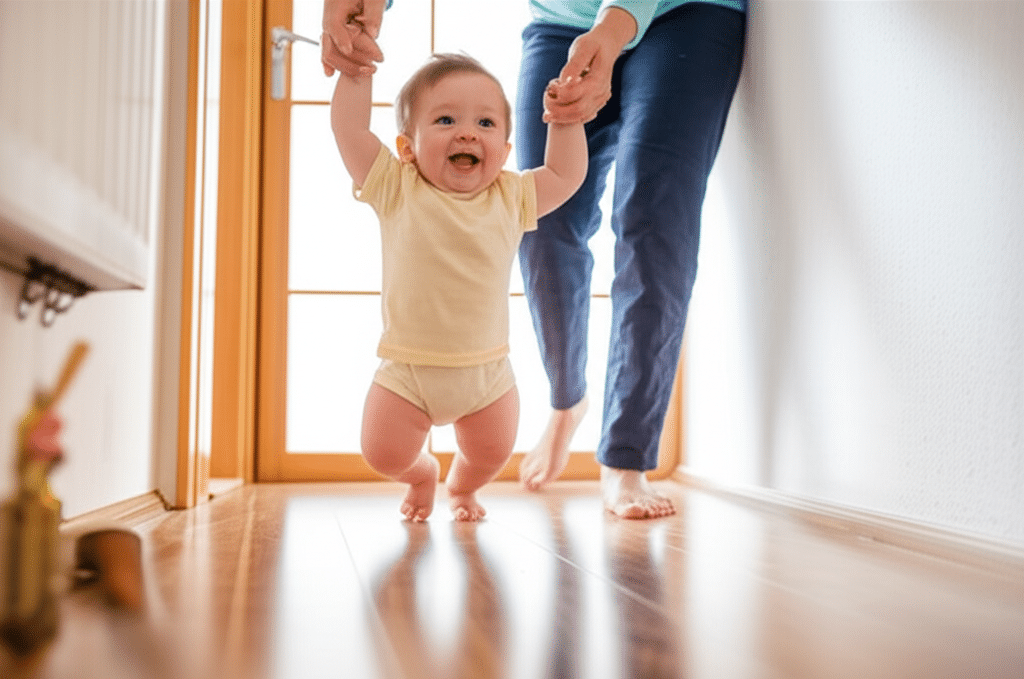
The first two years of baby and toddler development build the core blueprint for trust, safety, and curiosity. Every feed, cuddle, and response to crying sends a message: “You matter, and I come back.” When you understand this stage, you stop obsessing over comparison charts and focus on real connection.
If you like structure, my guide to child development 0–2 years can sit next to you as you watch your baby roll, sit, stand, and start to run. Benefit: you feel more secure and calm, and your child feels more seen.
Understanding Your Baby’s Cognitive and Emotional Milestones Month by Month

During the first year of baby and toddler development, your baby’s brain races forward at a surprising lightning speed. One month they only stare at faces, and a few months later they play “drop the spoon” just to watch you pick it up. That’s not “naughtiness”; it’s early science.
Baby Milestones Month by Month: Celebrate Every Step of the First Year
You’ll notice patterns similar to the ones I describe in my month-by-month baby development guide, especially around 4 months (more social smiles) and 9 months (separation anxiety peaks). Benefit: when you understand why your baby acts a certain way, you respond with more patient comfort instead of fear.

I still remember the first time my son rolled over, I almost cried with pure joy and then panicked because I hadn’t baby-proofed anything. Tracking milestones helps you spot delays, but it also helps you celebrate tiny victories. In healthy baby and toddler development, skills like rolling, sitting, crawling, and babbling usually follow a general order, but not an exact rigid calendar.
You can follow along with my baby milestones month by month checklist while staying flexible. Benefit: you celebrate progress instead of chasing perfection, and your baby feels your thrilled delight rather than your stress.
Newborn Feeding Difficulties Solutions: What First Time Parents Must Know

Feeding problems hit parents right in the heart, especially when you already feel fragile. In those early weeks of baby and toddler development, babies may struggle with latch, reflux, tongue-tie, or slow weight gain. I remember holding a screaming newborn at 3 a.m., feeling like a complete failure, and later discovering a simple tongue-tie as the root.
My article on newborn feeding difficulties solutions explains common causes and gentle, practical steps to try at home and with professionals. Benefit: you move from panic to practical action, which helps your baby feed more comfortably and helps you breathe again.
The Ultimate Essential Newborn Gear Checklist for First Time Parents

New parents receive a flood of marketing messages that promise the latest gadget for baby and toddler development. Truthfully, you need fewer things than the internet suggests. A safe sleep space, reliable feeding tools, a carrier, and a few soothing items already create a terrific start.
In my essential newborn gear checklist, I sort the “must-haves” from the “nice-to-haves” with a trauma-informed lens so you don’t overspend out of anxiety. Benefit: you protect your budget, avoid clutter, and focus your energy on real bonding rather than endless shopping.
Bonding and Attachment: Building a Secure Base in Baby and Toddler Development

Because of my own history of loss, I once believed I had to be emotionally perfect to give my children secure attachment. That belief nearly broke me. In healthy baby and toddler development, attachment grows from thousands of “good enough” moments: you notice distress, you respond most of the time, you repair when you lose your cool.
You can dig deeper into this in my article on secure vs anxious attachment styles, where I show how everyday routines shape your child’s inner world. Benefit: you offer a secure base without chasing impossible perfection.
Sleep in the First Two Years: Gentle Rhythms for the Whole Family

Sleep touches every part of baby and toddler development and every part of your sanity. Newborns wake often, and that’s normal, but chronic exhaustion can trigger old anxieties and depressive thoughts, especially after birth. I still remember counting minutes between wakings, and how shame kept me from asking for help.
My pieces on newborn sleep patterns and toddler bedtime battles share simple routines, realistic expectations, and options from co-sleeping setups to separate rooms. Benefit: your family builds more predictable rhythms, and your child associates sleep with safety, not stress.
Baby and Toddler Development Through Play: Simple Activities at Home

Play is the daily feast that feeds baby and toddler development. You don’t need a room of expensive toys; you need presence, curiosity, and a few simple household items. A crinkly packet becomes sensory play, a scarf becomes peek-a-boo magic, and a pot with a spoon becomes a drum lesson in cause and effect.
You can pull ideas from my indoor and outdoor activities for toddlers guide if you want quick setups by age. Benefit: your child builds motor skills, language, and problem solving, and you both share joyful connection instead of screen battles.
Language Development in Babies and Toddlers: From Cooing to First Words
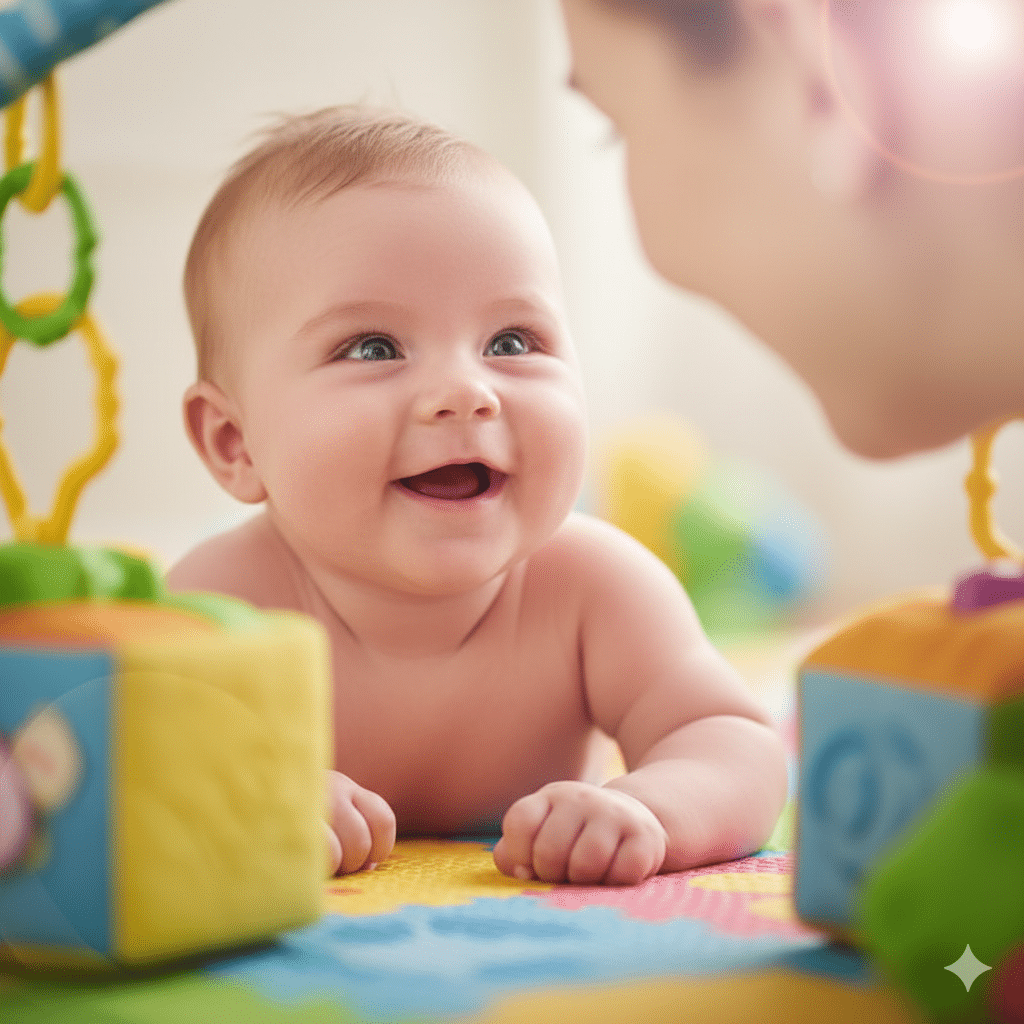
Language in baby and toddler development doesn’t start with words; it starts with eye contact, coos, and those funny back-and-forth “conversations” when you copy sounds. Babies who feel listened to usually talk with more confident curiosity later. If you speak more than one language, you give a special gift, not confusion.
In my toddler speech and language article, I list typical ranges for first words, two-word sentences, and signs that may point to autism or other delays. Benefit: you support communication early and seek timely support if something feels off.
Sibling Adjustments: Helping Toddlers Welcome the New Baby
When a new baby arrives, baby and toddler development includes the emotional growth of siblings. Your toddler might swing from kisses to hitting, from pride to regression in potty training or sleep. That doesn’t mean you raised a jealous child; it means their world changed in a single overwhelming week.
You can use strategies from my guide to preparing toddlers for a new sibling, like giving “special helper” jobs and protecting one-to-one time. Benefit: your toddler feels less replaced and more deeply included, and the baby grows in a calmer family atmosphere.
Parental Mental Health: Caring for Yourself While Raising Babies and Toddlers

You sit at the center of baby and toddler development; your nervous system is the “weather” your child lives in. If you carry trauma, anxiety, or depression, the early years may trigger old pain. I remember staring at the crib, terrified my fear would damage my child, until therapy and supervision helped me soften that story.
In my pieces on postpartum emotional recovery and balancing work and parenting, I speak openly about rage, numbness, and shame. Benefit: you take your inner world seriously, seek support sooner, and offer your child a more regulated parent.
Daily Routines and Boundaries: Gentle Structure for Baby and Toddler Development
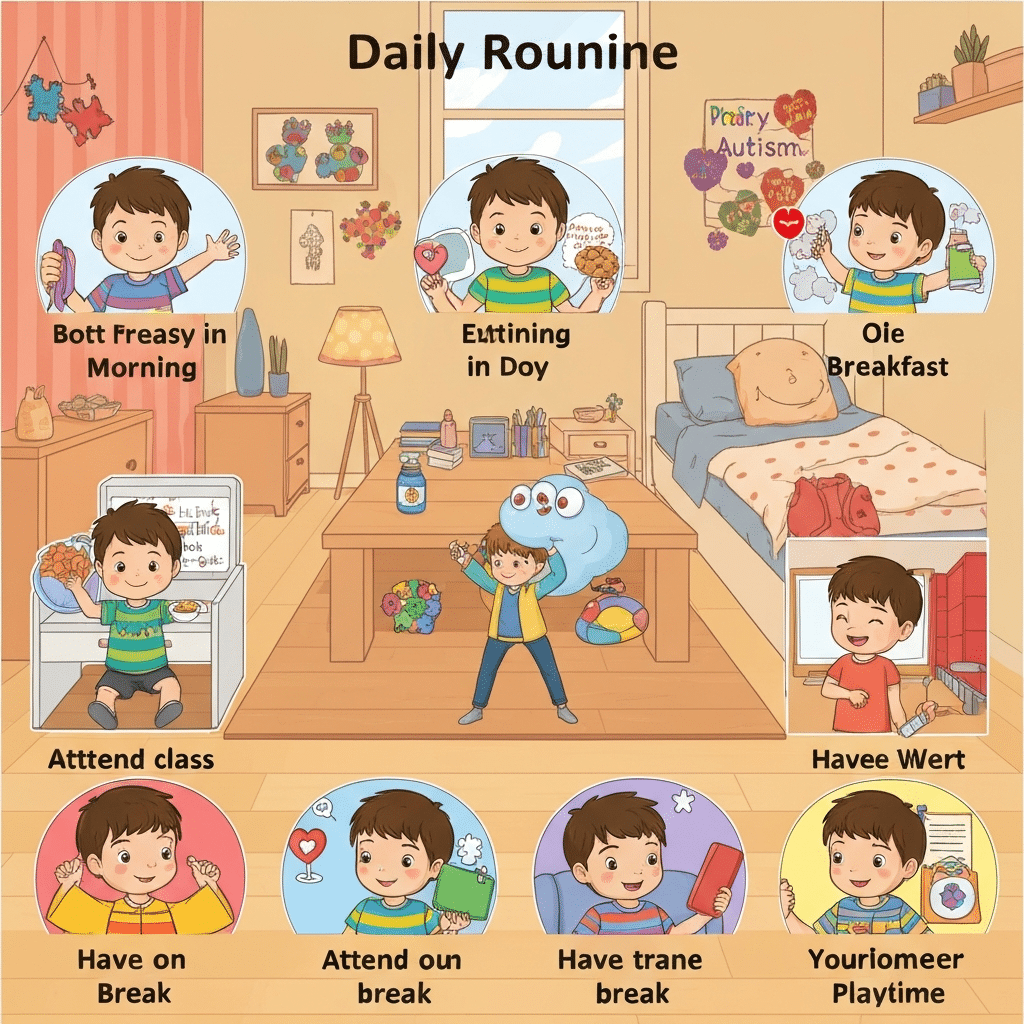
Routines don’t cage your child; they give baby and toddler development a predictable rhythm. When meals, naps, and play arrive in roughly the same order, children feel more secure and usually show fewer power struggles. Boundaries work the same way: calm “yes” and “no” patterns create reliable safety.
My article on gentle boundaries with toddlers offers scripts you can borrow when you feel exhausted or guilty. Benefit: your child learns what to expect, tantrums often shorten over time, and you feel more steady and fair instead of chaotic.
When to Worry: Red Flags in Baby and Toddler Development and When to Seek Help

Sometimes that quiet inner alarm doesn’t go away. Maybe your baby never makes eye contact, rarely smiles, or loses words they already had. Maybe your toddler only spins wheels or doesn’t respond to their name. Part of loving baby and toddler development means listening to those persistent worries.
In my overview of developmental red flags and autism signs, I list behaviors worth bringing to your pediatrician or child psychologist. Benefit: you act early, not from panic, but from informed care, giving your child the best chance to receive helpful support in time.
Simple Age Guide for Baby and Toddler Development

Age range Main focus in daily life
0–3 months Bonding, feeding, adjusting to the world
4–6 months Movement, play, early solids
7–12 months Mobility, first words, separation
13–24 months Autonomy, tantrums, language, play
This table sits nicely next to my age-by-age child development articles and gives you a quick snapshot of what matters most at each tender season.
Writing Your Own Baby and Toddler Development Story

Baby and toddler development doesn’t follow a perfect script, and neither do you. You’ll have days of victory and days that feel like survival mode. What counts is your devoted presence, your willingness to repair after rough moments, and your courage to seek help when something feels wrong.
If this guide helped you see your child, and yourself, with softer eyes, I’d love to hear which part spoke to you. Share your questions or your story in the comments so other parents feel less alone on this special journey. And when you’re ready, go deeper with the linked articles on milestones, emotions, and routines; they’ll keep supporting you as baby and toddler development continues to unfold.