

The Echo of Early Bonds
The way we love, trust, and connect as adults often begins long before we realize it. From the moment we’re born, our early experiences with caregivers quietly shape how we view closeness, handle conflict, and express needs. This emotional blueprint, known as your attachment style, influences everything: your romantic life, friendships, and even how you parent your own children.
Understanding it doesn’t mean blaming your past; it means gaining freedom to build healthier, more secure relationships today.
“When you understand your patterns, you can choose connection over protection.”
What Are Attachment Styles in Adults?
Every adult carries a hidden emotional roadmap — a pattern of how we connect, love, and respond to closeness.These patterns are called attachment styles, and they’re shaped by our earliest experiences with caregivers.When a baby’s needs are met consistently and warmly, they grow up believing the world is safe and relationships are trustworthy.But when love feels uncertain, distant, or inconsistent, the child may adapt by becoming overly cautious, anxious, or self-reliant.These early emotional lessons evolve into distinct attachment styles in adulthood.
The Four Main Attachment Styles
1. Secure: Comfortable with intimacy and independence; communicates openly and trusts easily.
2. Anxious: Craves closeness, worries about rejection, and often seeks reassurance.
3. Avoidant: Values independence, may pull away when relationships feel too close.
4. Disorganized: Desires love but fears it at the same time; often comes from early confusion or trauma.
The Attachment Project describes these four types as natural adaptations not labels and reminds us that attachment is flexible. We can always move toward security through self-awareness, therapy, and consistent healthy relationships.
Understanding your attachment style isn’t about blame; it’s about becoming the safe base you once needed, for yourself and your loved ones.
How Childhood Shapes Adult Love
The way we love and trust as adults often echoes the love we received, or longed for, as children.In our earliest years, every smile, hug, or silence teaches us something about connection. When care is warm and predictable, we learn that closeness feels safe. When love feels inconsistent or unavailable, we may grow up guarding our hearts or seeking reassurance again and again.
The Emotional Blueprint
Early attachment experiences create what psychologists call an “internal working model”, an invisible map that guides how we see ourselves and others. If caregivers met your needs with empathy, you likely learned, “I’m lovable, and people can be trusted.” If they were dismissive or unpredictable, the message might have been, “I need to work hard for love,” or “It’s safer not to depend on anyone.”
These early lessons can follow us quietly into adulthood, shaping how we communicate, how we handle conflict, and even how we comfort our own children.
Healing the Patterns
The good news is that attachment isn’t destiny. Awareness can rewrite the story. When you learn to notice your reactions, like withdrawing during arguments or feeling anxious when someone pulls away, you start to create space for new ways of relating. As the American Psychological Association (APA) explains, adult attachment styles are learned patterns that can evolve through safe, consistent, and emotionally supportive relationships.
Understanding your past is not about staying there, it’s about freeing yourself to love differently today.
Secure Attachment: Comfort with Closeness
A secure attachment style is the emotional foundation of healthy love. Adults with this style are comfortable being close to others without losing their sense of self. They trust easily, communicate openly, and handle conflict without fear of abandonment or rejection.

What It Feels Like
If you have a secure attachment, you likely believe:
“I am lovable as I am.”
“Others can be trusted.”
“Disagreements don’t mean disconnection.”
You can express needs without guilt, listen without defensiveness, and set boundaries with kindness. Your relationships feel like a safe place to return to, not a battlefield to survive. In parenting, secure adults tend to respond with balance: firm but gentle, supportive but not overbearing. They don’t need to be perfect, they simply show up, again and again, with love and repair when things go wrong.
How Secure Attachment Develops
Secure attachment is built when early caregivers consistently meet emotional and physical needs.Those repeated messages, “I see you,” “You matter,” “You can count on me”, become an inner voice of safety.
The Gottman Institute notes that secure relationships grow through emotional attunement: listening, validating, and staying connected even during tension.
Security isn’t about perfection, it’s about trust, consistency, and the courage to stay present.
Anxious Attachment: Fear of Losing Connection
For people with an anxious attachment style, love often feels both comforting and stressful, like wanting to be close but fearing that closeness could disappear at any moment. This attachment pattern usually develops when early caregivers were loving but inconsistent, sometimes available, sometimes distracted or emotionally distant. As children, that unpredictability creates a deep longing: “I have to hold on tight so I’m not forgotten.”
As adults, this may look like needing reassurance, overthinking a partner’s tone, or worrying when someone takes too long to reply.
Signs of Anxious Attachment
Constantly checking for signs of disconnection (“Are you mad at me?”)
- Difficulty relaxing when not in contact with loved ones.
- Sensitivity to changes in mood or attention.
- Fear of rejection or abandonment.
- Strong desire to feel needed and validated.
While these behaviors come from love, they often push people away, reinforcing the fear of being left.
Healing the Anxious Pattern
The first step is self-awareness: noticing when anxiety rises and pausing before reacting. Instead of chasing reassurance, try giving it to yourself through gentle affirmations, breathing, or journaling. Choosing partners and friends who communicate openly can also rewire your sense of security.
According to the Attachment Project, healing anxious attachment involves building self-trust and learning that love doesn’t need constant proof, it grows through calm presence and mutual respect.
You don’t need to be perfect to be loved; you only need to be real.
Avoidant Attachment: Fear of Dependence
For people with an avoidant attachment style, closeness can feel complicated. They often value independence so deeply that emotional intimacy seems risky or uncomfortable. Love is desired, but too much vulnerability can trigger a quiet alarm: “Don’t rely on anyone, it’s safer alone.”
This pattern often begins in childhood when emotional needs were minimized or ignored. A child who learned early that “big feelings are too much” adapts by becoming self-reliant, finding comfort in control and distance.
As adults, avoidantly attached individuals may seem calm and confident, yet inside, they often fear rejection, disappointment, or losing autonomy.
Signs of Avoidant Attachment
- Discomfort with emotional intimacy or dependence.
- Feeling trapped when someone gets too close.
- Difficulty expressing needs or asking for help.
- Preferring logic over emotion in relationships.
- Believing “I’m fine on my own” even when feeling lonely.
Avoidantly attached parents often love deeply but may struggle to show it through affection or open conversation. Their challenge is not lack of love, it’s fear of vulnerability.
Healing the Avoidant Pattern

The path toward security begins with small risks: sharing a feeling, accepting help, or staying present during someone else’s emotions. Learning that closeness doesn’t mean control helps rebuild trust in connection.
The Child Mind Institute explains that avoidant attachment develops as a form of self-protection, a way to manage emotional pain when closeness once felt unsafe. With consistent, compassionate relationships, adults can relearn that openness is strength, not weakness.
When you let others in, you discover that independence and intimacy can coexist.
Disorganized Attachment: Craving Closeness but Fearing It
Among the four attachment styles, disorganized attachment is often the most confusing and emotionally intense. It’s marked by a deep longing for connection, and an equally strong fear of being hurt by it. A person with this style may crave closeness one moment and pull away the next, caught between desire and protection.
This style often develops in childhood when the caregiver, the very person meant to provide safety, also caused fear, unpredictability, or emotional pain. The child learns a painful message: “The person I need might also hurt me.”
As adults, this can translate into emotional push-and-pull behaviors in relationships: wanting love but fearing loss, trusting but then withdrawing, opening up and then shutting down.
Signs of Disorganized Attachment
- Intense fear of rejection and fear of closeness.
- Alternating between pursuit and withdrawal in relationships.
- Difficulty trusting others’ intentions.
- Feeling unworthy of love or safety.
- Emotional highs and lows that feel hard to control.
Parents with disorganized attachment may struggle with emotional regulation, not because they don’t love deeply, but because safety and love were once mixed together in confusing ways.
Healing the Disorganized Pattern
Healing begins with safety and self-compassion. Therapy, mindfulness, or gentle body-based practices can help rebuild a sense of stability and trust. Healthy relationships, where boundaries are respected and emotions are welcomed, teach the nervous system that closeness can be safe again.
The National Institute for the Clinical Application of Behavioral Medicine (NICABM) emphasizes that with time, consistency, and compassionate connection, people can gradually move toward a secure attachment style and more balanced emotional life.
Healing disorganized attachment is not about changing who you are, it’s about learning that love doesn’t have to hurt.
Recognizing Your Own Style as a Parent
Every parent brings their own emotional history into the way they love, guide, and respond. Your attachment style: secure, anxious, avoidant, or disorganized, subtly shapes how you comfort your child, handle conflict, and express affection. The goal isn’t to “fix” yourself, but to become aware of how your past influences your present parenting.
Awareness creates choice.
When you recognize your triggers, the moments that make you impatient, distant, or overprotective, you can respond with intention instead of instinct. That pause is where healing begins.
Reflection Prompts for Parents
- How do I react when my child needs comfort?
- Do I withdraw when I feel overwhelmed?
- Do I overreact when my child pulls away?
- What helps me feel calm and connected again?
These small reflections bring gentle insight into your emotional patterns and help you stay more grounded in challenging moments.
Even if your own childhood lacked consistency, you can offer your child what you missed: safety, empathy, and repair. Each moment of connection rewires not just your child’s brain, but also your own.
According to the Harvard Center on the Developing Child, parents who practice self-reflection and emotional attunement help build stronger, more secure attachments in their children — regardless of past challenges.
Healing yourself doesn’t mean erasing your past; it means choosing a different future, for you and your child.
Creating Secure Attachment Today
No matter your history, you can begin building secure attachment right now, in your relationships and in your parenting. Attachment isn’t something that happens to us; it’s something we can consciously create through consistency, empathy and emotional presence.
The beautiful truth is that secure attachment is built in moments, not perfection. Every time you slow down, listen, or repair after a misunderstanding, you’re strengthening emotional safety, both for yourself and your loved ones.
Simple Ways to Build Secure Bonds
- Name emotions: say what you feel and help your child name their feelings, too.
- Practice repair: a calm apology restores trust faster than perfect behavior.
- Stay present: make eye contact, put the phone down, and truly listen.
- Offer reassurance: your consistency teaches safety more than words do.
Show warmth and boundaries together, love and structure make children feel safe.
The Gottman Institute highlights that secure relationships grow through small daily rituals, checking in, showing appreciation, and turning toward each other instead of away when stress arises. The same is true in parenting: emotional safety thrives in everyday gestures.
It’s Never Too Late
Whether your children are babies, teens, or already grown, you can still nurture a secure bond. Each conversation, hug, or shared laugh adds a new thread of trust. Security is built over time, not through perfection, but through genuine effort and presence.
Every moment of connection is a chance to begin again.
Parenting with Awareness and Compassion
Once you understand your attachment style, parenting becomes less about “doing it right” and more about staying connected m, to your child and to yourself. Awareness turns parenting from reaction into reflection. You begin to notice when old patterns show up: maybe withdrawing during conflict, feeling overly anxious about mistakes, or worrying you’re not enough. Instead of judging yourself, you can pause and choose.
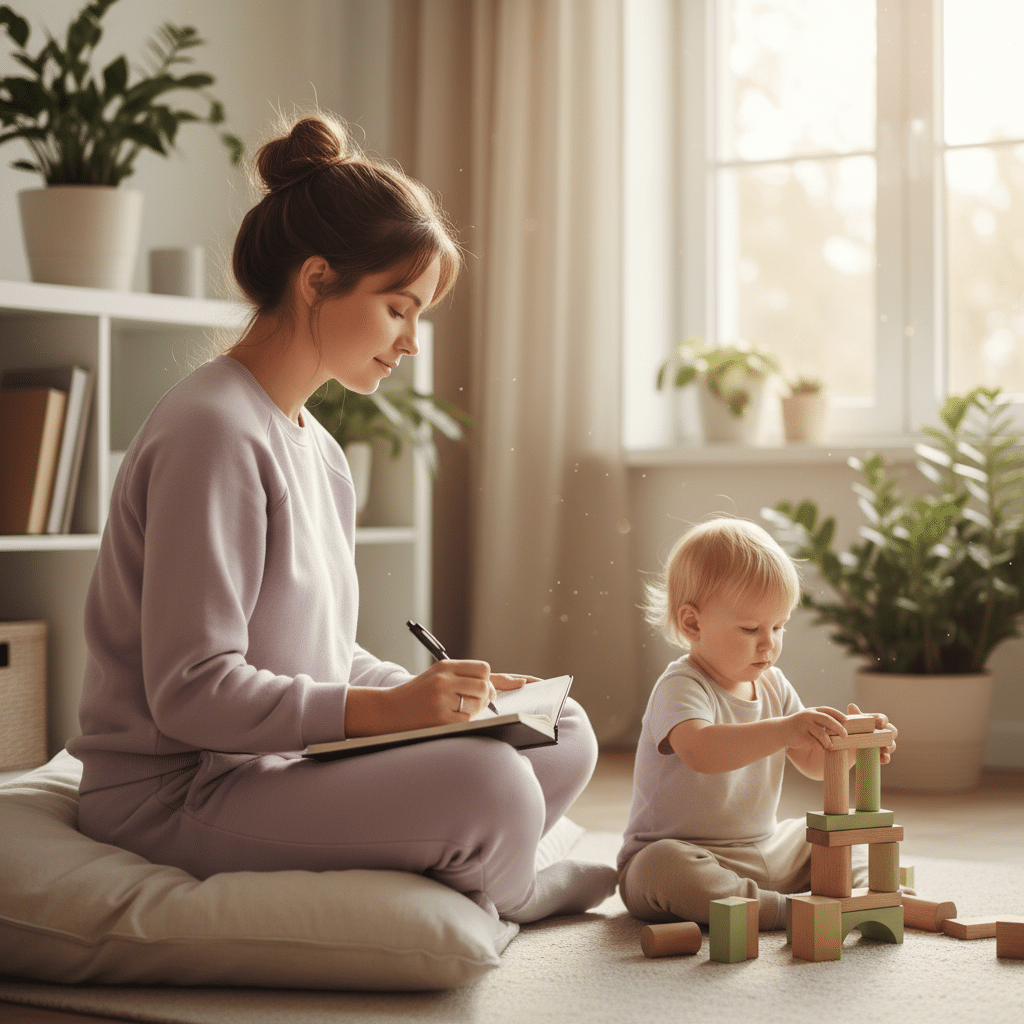
Awareness Creates Change
Parenting with awareness means asking:
- “What is my child feeling beneath this behavior?”
- “What am I feeling and what do I need to stay calm?”
- “Can I respond instead of react right now?”
This self-check builds emotional intelligence for both you and your child. It models responsibility, patience, and empathy, the true markers of emotional maturity.
The Power of Compassion
Compassion heals what judgment can’t.When you meet yourself and your child with understanding instead of criticism, you create safety, the very essence of secure attachment.Even in conflict, compassion says: “We can make mistakes and still belong to each other.”
The American Psychological Association (APA) emphasizes that emotionally attuned and compassionate parenting improves children’s emotional resilience and helps break intergenerational cycles of insecurity.
When parents lead with awareness and compassion, they don’t just raise secure children, they grow into secure adults.
Healing Through Love: How Awareness Transforms Attachment
Understanding attachment styles in adults is not about labeling yourself, it’s about freeing yourself. When you recognize how your early experiences shaped your ways of loving, you gain the power to choose differently. You learn that vulnerability isn’t weakness, closeness isn’t danger, and independence doesn’t mean isolation.
Every secure connection you build today, with a partner, a friend, or your child, rewrites old patterns. Your brain learns safety through repetition; your heart learns it through compassion. The cycle of insecurity can end with awareness, kindness, and presence.
As the Harvard Center on the Developing Child reminds us, nurturing relationships don’t just heal the past, they rewire the mind for resilience, empathy, and love. So, whether you identify as anxious, avoidant, disorganized, or secure, remember this:
Awareness is the first step toward healing; love is what carries you the rest of the way. You are not defined by how you learned to love, you are defined by how you choose to love now.
Next in the Trilogy:
Continue your journey with “Healing Attachment Wounds: Rebuilding Trust in Yourself and Your Child.”
There, we’ll explore how to repair broken trust, rebuild safety, and create deeper emotional connection, for both parent and child.
FAQs About Understanding Attachment Styles in Adults
What are the four main attachment styles in adults?
The four attachment styles are secure, anxious, avoidant, and disorganized. Each reflects how early emotional experiences shape the way you connect with others in adulthood.
Can my attachment style change over time?
Yes. Attachment styles are adaptable. With self-awareness, therapy, or safe, supportive relationships, you can move toward a more secure style of relating.
How do attachment styles affect romantic relationships?
They influence how you handle closeness, communication, and conflict. Anxious partners may seek reassurance, avoidant partners may need space, and secure partners balance both.
What if my partner and I have different attachment styles?
It’s common. Awareness helps both partners understand triggers and emotional needs. With empathy and communication, couples can learn to support each other’s growth.
How can I recognize my attachment style as a parent?
Notice how you react when your child needs comfort or when conflict arises. Your responses often mirror your early experiences. Awareness allows you to choose healthier patterns.
Can understanding my attachment style help my child?
Absolutely. When you become more secure, you naturally model safety, calmness, and empathy for your child. Your healing becomes their foundation for secure attachment.
Read more: Zero to Three: Building Strong, Secure Attachments