The wonder of your baby’s first two years
The first two years of your baby’s life are an incredible journey for both of you. According to the CDC’s developmental checklist, during this period of child development 0–2 years, your little one is learning faster than at any other time in life. Their brain, body, and emotions are forming the foundation for everything that comes next, from walking and talking to trusting and loving.
Every cuddle, smile, and soothing word builds the feeling of safety your baby needs to thrive. Understanding these stages helps you nurture growth with confidence, even on the days that feel messy or uncertain.
Let’s explore how your baby develops through these fascinating early milestones and how you can lovingly support each step.
Physical Child Development 0–2 Years: From Tiny Movements to First Steps
The physical part of child development 0–2 years is full of visible milestones. You’ll see your baby gain strength, coordination, and independence with every month.
From birth to 3 months:Your newborn begins to lift their head, stretch arms, and discover hands. Gentle tummy time strengthens neck and shoulder muscles.
4–6 months: Rolling, grabbing toys, and kicking become daily adventures. Your baby starts exploring their body and the world around them.
7–9 months: They learn to sit without support, crawl, and pull up their muscles and curiosity work together.
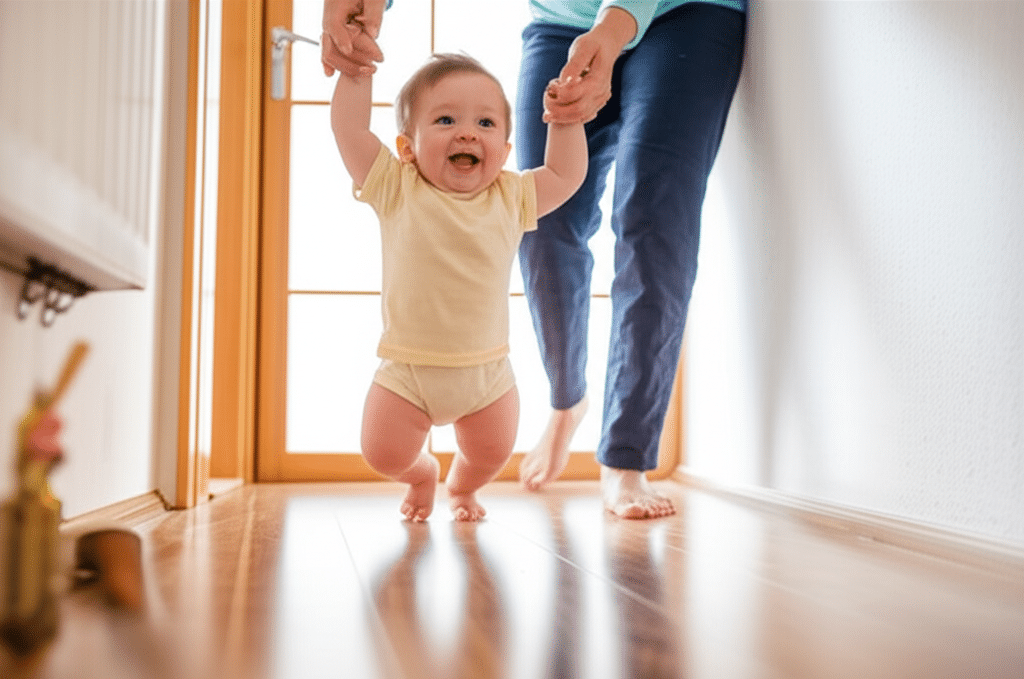
10–12 months: Those first steps are near! Many babies start cruising along furniture and even taking a few independent steps.
12–24 months: Walking turns into running, climbing, and dancing. They now use their body to express joy, curiosity, and independence.
Parent tip: Give your child time on the floor to explore freely and safely. You don’t need special toys, open space and gentle encouragement are the best supports for early physical development.
Remember: If your child isn’t meeting milestones exactly on time, don’t panic. Some babies crawl late, some walk early, and some skip stages altogether. What matters is steady progress and joyful engagement.
Cognitive Child Development 0–2 Years: How Your Baby Starts to Think and Explore
Cognitive growth refers to how your baby learns, remembers, and understands the world.
During child development 0–2 years, their brain builds millions of new connections every second.
0–6 months: Your baby recognizes familiar faces and voices. They start to expect routines, like feeding or bedtime and find comfort in predictability.
6–12 months: Curiosity takes over. They drop toys just to watch you pick them up (again and again!) and begin solving tiny “problems.”
12–24 months: Memory and imagination bloom. They can follow simple instructions, point to objects, and mimic what you do.
Parent tip: Narrate your day, describe what you’re doing, where you’re going, and what you see. This constant flow of words nourishes brain growth and communication skills.
Emotional Child Development 0–2 Years: Building Trust and Love
In these first years, your baby learns one essential emotional truth: “I am safe and loved.”
Through consistent care and gentle responses, you lay the emotional foundation of child development 0–2 years. When your baby cries and you comfort them, they begin to trust that the world is good and people are kind.
By 9 months, your baby can express joy, fear, and frustration. Around 18 months, you may see more complex feelings, like pride or shyness. These emotions prepare your child to form healthy relationships later.
Parent tip: Always name emotions. For example, say, “You’re sad because the toy fell,” or “You’re happy to see Daddy.” Naming feelings helps your child begin to understand and regulate them.
Language and Communication in Child Development 0–2 Years
Language doesn’t begin with words, it starts with connection.
0–6 months: Your baby responds to tone, rhythm, and smiles.
6–12 months: Babbling begins “ba,” “ma,” “da.” These sounds are the building blocks of speech.
12–24 months: Words appear, often around the first birthday. By two years, most toddlers know 50–100 words and begin forming small phrases.
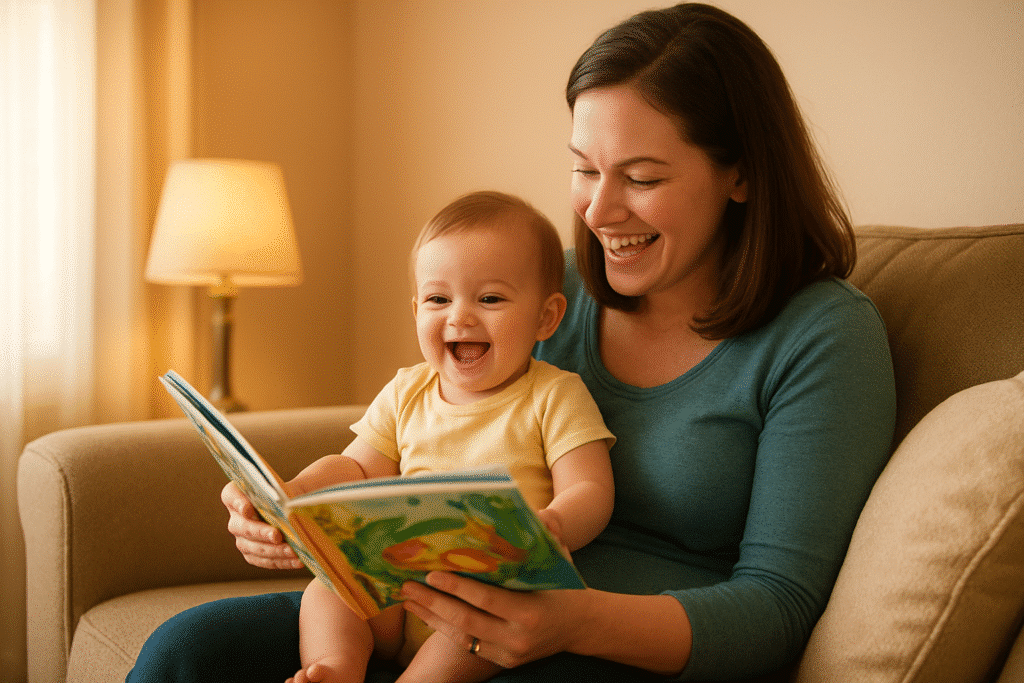
Parent tip: Talk, sing, and read to your child every day. Even a few minutes of shared attention during routines, like changing or feeding, boost communication and strengthen your bond.
Social Child Development 0–2 Years: Discovering Others
Social development during child development 0–2 years is all about relationships. Your baby learns how to interact, share joy, and read faces.
0–6 months: They smile back, respond to your laughter, and crave eye contact.
6–12 months: Separation anxiety appears, a healthy sign of attachment.
12–24 months: Your baby starts playing near other children, imitating actions, and showing early empathy.
Parent tip: Encourage gentle social experiences. Visit the park, read books about feelings, and let your baby watch you show kindness, they learn empathy through example.
The Power of Play in Child Development 0–2 Years
Play isn’t just fun, it’s how babies learn everything. During child development 0–2 years, play builds imagination, coordination, and problem-solving skills.
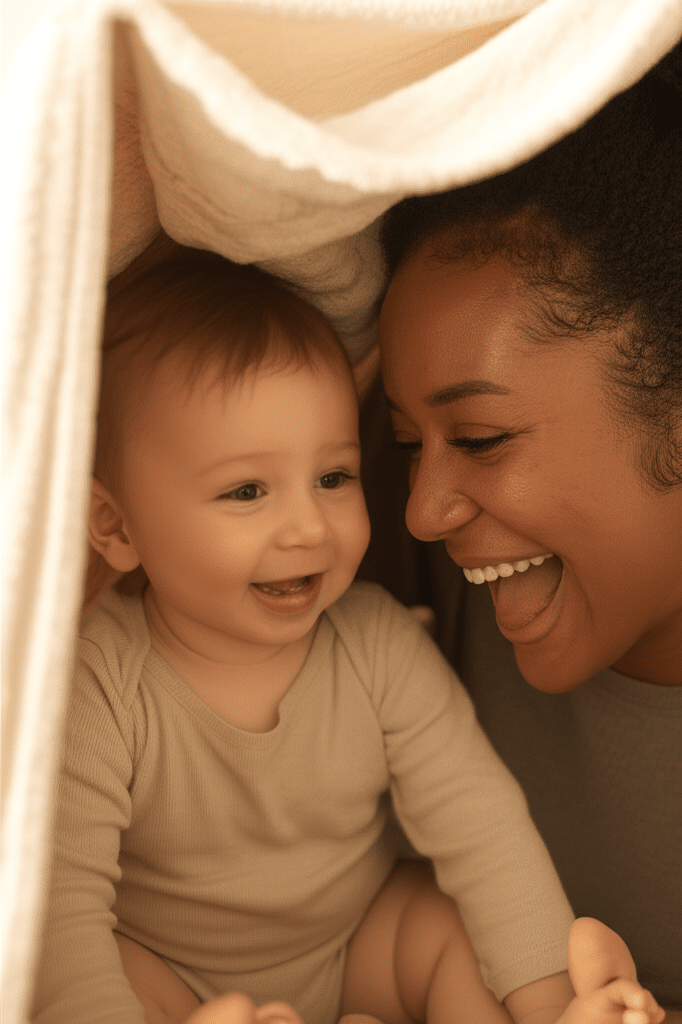
Simple games like peekaboo teach your baby that people exist even when unseen (object permanence). Stacking cups, shaking rattles, and exploring textures all stimulate brain and sensory development.
Parent tip: Follow your baby’s lead. Let them choose what interests them, and describe their actions. “You’re stacking the blocks!” reinforces language and confidence.
Challenges in Child Development 0–2 Years: When to Seek Guidance
Every baby grows differently, but certain signs may signal a delay.
Talk to your pediatrician if by 12–18 months your baby:
- Doesn’t make eye contact or smile socially.
- Isn’t babbling or using gestures.
- Seems stiff, floppy, or unresponsive.
Getting help early makes a huge difference. Remember, asking questions isn’t worrying too much; it’s caring wisely.
Supporting Healthy Child Development 0–2 Years: Parenting with Confidence
You are your baby’s first teacher and safest place.Your love, patience, and attention fuel every aspect of child development 0–2 years.Here’s what helps most:
- Consistent routinesGentle touch and eye contact.
- Talking and reading daily.
- Safe spaces to explore.
- Lots of affection and play.
Parent tip: You don’t need to be perfect, just responsive. When your baby reaches for you, meet them with warmth. That’s the real foundation of healthy growth.
Summary of Child Development 0–2 Years: Growing, Learning, and Loving
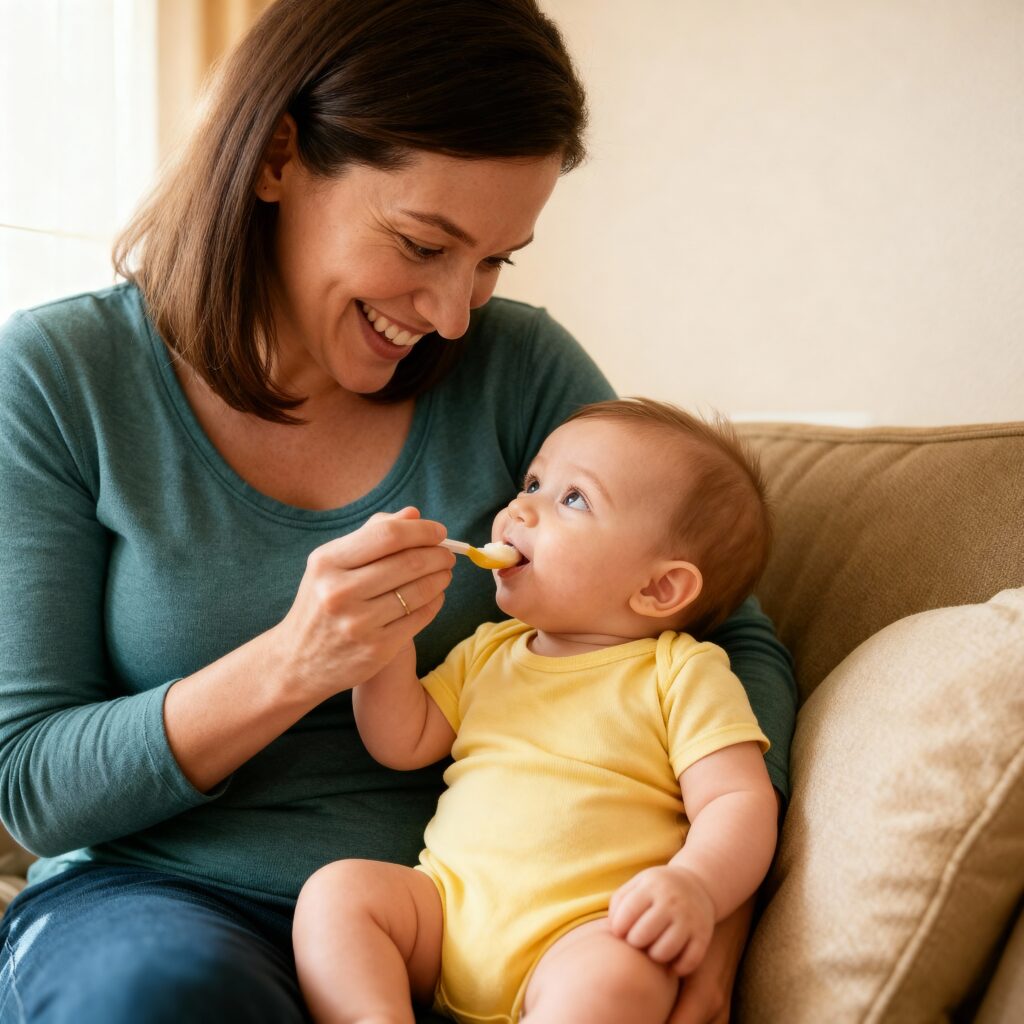
The journey of child development 0–2 years is a beautiful mix of visible changes and invisible growth. Here’s what the first two years truly mean for your child and for you as a parent.
Physically: your baby transforms from a tiny newborn into a confident little explorer. Each movement from grasping to walking, builds strength and curiosity.
Cognitively: their brain is in constant motion. They begin to recognize, remember, and imagine, turning daily experiences into powerful learning moments.
Emotionally: they’re learning what love and trust feel like. Every cuddle and comforting word teaches safety and belonging.
Linguistically: the sounds, songs, and stories you share lay the foundation for communication and confidence.
Socially: your child starts to see themselves as part of a world filled with faces, voices, and emotions, understanding that connection brings joy.
Through play, they discover how things work, express creativity, and bond with you, their favorite teacher. When challenges appear, gentle observation and early support help ensure your baby stays on track.
As a parent, your role isn’t to perfect everything, it’s to stay connected, responsive, and loving. That’s what builds resilience and trust for life.
In short: The first two years are where it all begins, movement, thought, emotion, and relationship. Every smile, word, and step adds a new layer to your baby’s incredible story of becoming.
FAQs About Child Development 0–2 Years
What are the main stages of child development from 0–2 years?
Physical (motor), cognitive (thinking and learning), emotional (bonding and trust), language (sounds to words), and social (interaction and empathy) skills all grow together, forming the foundation for lifelong learning and well-being.
When should my baby start walking?
Most babies begin walking between 12–15 months, though some may start earlier or later. Focus on steady progress—pulling to stand, cruising, balancing—rather than exact timing.
How can I support my baby’s brain development?
Talk, sing, read, and play every day. Narrate what you’re doing, describe what your baby sees, and respond warmly to their sounds and gestures. Loving, consistent interactions strengthen brain pathways and communication skills.
Is it normal for my baby to be shy or clingy?
Yes. Separation anxiety between 9–18 months is a healthy sign of attachment and awareness. Offer brief, consistent goodbyes, comfort when they seek reassurance, and maintain routines to help your baby feel safe.
Should I worry if my child isn’t talking yet at 18 months?
Not necessarily. Some toddlers talk later than others, but mention it at your pediatric checkup. Early hearing or speech evaluations can help. Keep talking, reading, and naming objects and feelings daily.
How much sleep do babies need during the first two years?
Newborns sleep about 14–17 hours daily. By toddlerhood, most children need 11–14 hours of total sleep, including naps. A calm, predictable bedtime routine supports healthy sleep habits.
Growing Together: The First Chapter of Life
The first two years of life are the heart of child development 0–2 years. It’s a time of rapid change, tender connection, and endless discovery.
Each smile, cuddle, and tiny milestone builds your child’s confidence and trust in the world. By being present and responsive, you’re not just raising a baby, you’re shaping a human being who feels loved, capable, and curious.
Celebrate this stage with patience and wonder, it passes faster than you think.