

Educational activities for kids are more than just games. They are powerful tools that spark curiosity, boost creativity, and encourage lifelong learning. In today’s fast-paced world, children need activities that go beyond entEducational activities for kidsertainment. By engaging in fun yet structured learning, kids can develop important skills that support their emotional, social, and academic growth. Parents and educators who incorporate these activities into daily routines give children a strong foundation for the future.
Looking for inspiration? Try checking out this guide on supporting children’s growth for more insights.
What Are Educational Activities for kids?
Educational activities are structured tasks designed to promote learning while still being enjoyable. They can take many forms, from puzzles and reading games to outdoor adventures and science experiments. The key is blending play with learning, so kids remain motivated while developing essential skills.
Why Educational Activities for kids Are Important for Children’s Growth?
Educational activities help children in multiple ways. They :
- Improve problem-solving skills and creativity.
- Strengthen memory and cognitive development.
- Encourage teamwork and cooperation.
- Build confidence and independence. When children engage in the right mix of play and learning, they are more likely to succeed academically while also developing essential life skills.
Benefits of Educational Activities for Kids
Educational activities for kids provide more than short-term entertainment. They create lasting benefits that shape how children think, learn, and grow. By integrating fun learning into daily life, parents and teachers can help kids thrive academically and socially.
Cognitive Development and Learning Enhancement
One of the biggest advantages of educational activities for kids is cognitive growth. When kids engage in puzzles, memory games, or problem-solving challenges, their brains develop stronger connections. This not only improves their concentration but also enhances their ability to retain information. For example, reading comprehension games strengthen vocabulary, while math-based activities improve logical reasoning. These activities make learning fun while reinforcing classroom lessons.
Boosting Creativity and Problem-Solving Skills
Creative play is essential for developing imagination. Educational activities for kids like drawing, building with blocks, or storytelling allow kids to explore ideas and think outside the box. At the same time, they develop problem-solving skills by experimenting with different outcomes. For instance, when children build a tower with blocks that keeps falling, they naturally start learning about balance, structure, and persistence. Creativity mixed with problem-solving gives kids the confidence to handle challenges later in life.
Building Social and Emotional Intelligence
Educational activities for kids also help kids understand emotions and build stronger relationships. Group activities such as role-playing, team sports, or cooperative board games encourage empathy, sharing, and communication. These experiences teach children how to work together, listen to others, and resolve conflicts. Emotional intelligence is just as important as academic knowledge because it prepares children for real-world challenges.
Don’t miss our expert insights on supporting children’s learning and development to discover more ways parents can encourage growth.
Fun Educational Activities for Kids
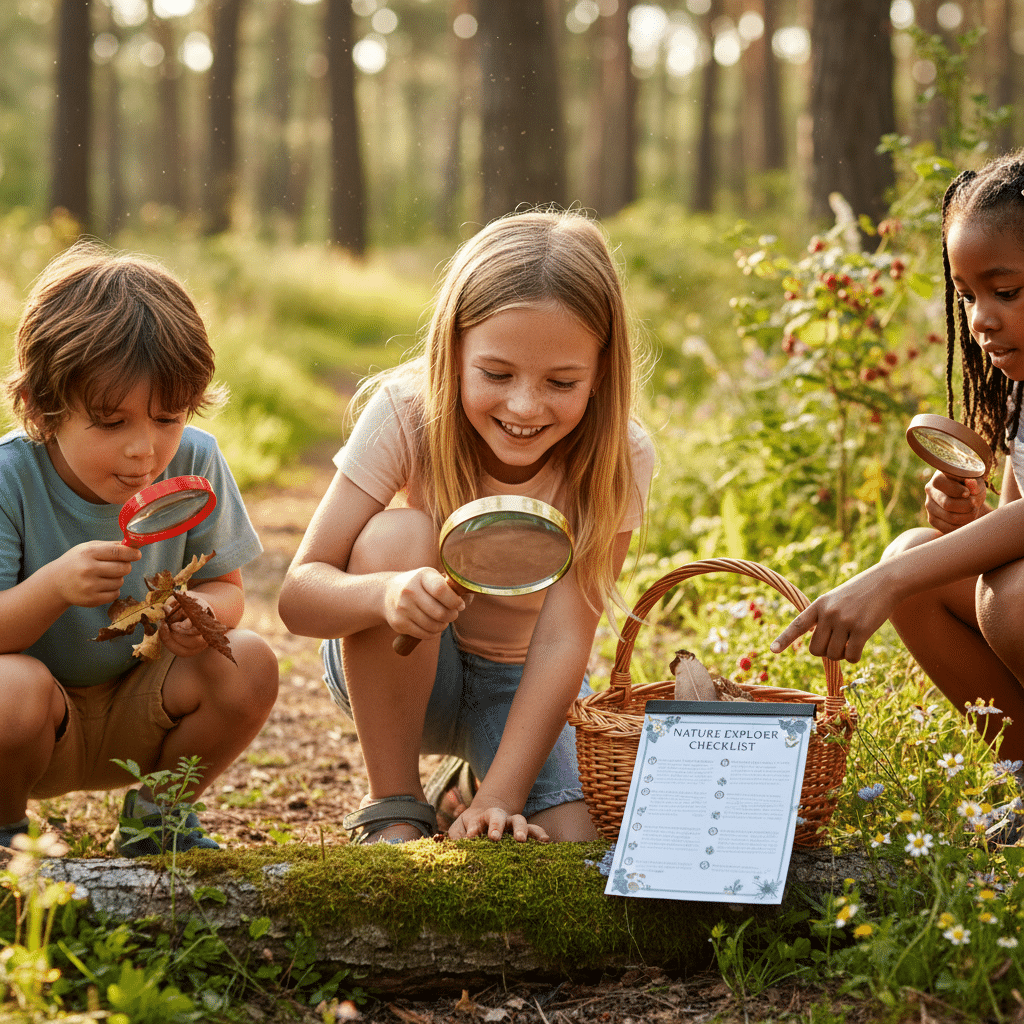
When learning feels like play, children are more eager to participate. Fun educational activities for kids create excitement while teaching valuable skills. Parents can mix indoor, outdoor, and group activities to keep learning balanced and enjoyable.
Indoor Learning Games and DIY Projects
Indoor educational games are perfect for rainy days or quiet evenings. Board games like Scrabble and chess sharpen vocabulary and critical thinking, while DIY projects such as making slime or building simple science experiments teach hands-on problem-solving. Parents can also introduce simple cooking projects where kids measure ingredients, practice math, and learn about nutrition. These activities not only keep kids engaged but also reinforce lessons from school in a playful way.
Outdoor Play and Nature-Based Learning
The outdoors is one of the best classrooms for kids. Activities like scavenger hunts, gardening, or nature walks encourage children to explore their surroundings and learn about science firsthand. For instance, planting seeds and watching them grow teaches patience and responsibility. Even a simple trip to the park can turn into a learning experience by observing insects, trees, or cloud patterns. Outdoor learning blends physical activity with discovery, making it both healthy and educational.
Group Activities for Social Engagement
Group-based educational activities help children build teamwork and communication skills. Cooperative board games, drama workshops, or team challenges encourage kids to collaborate and solve problems together. These activities teach patience, respect for others’ ideas, and conflict resolution. Group projects also allow kids to share their creativity, boosting self-confidence while learning from peers.
Check out our practical strategies for children’s skill-building to find more engaging ideas you can try at home or school.
Productive Activities for Kids to Stay Engaged
While fun is essential, kids also need activities that help them stay focused, disciplined, and productive. Productive educational activities for kids balance play with growth, ensuring that their time is spent developing both academic and life skills.
Reading and Storytelling Sessions
Reading is one of the most productive activities for kids. Whether it’s independent reading, bedtime stories, or group reading circles, books spark imagination and improve language skills. Storytelling also boosts creativity by allowing kids to create their own characters and plots. Parents can make this more interactive by asking questions about the story or encouraging kids to predict the ending, which strengthens comprehension and critical thinking.
Creative Arts: Drawing, Painting, and Crafting
Art activities are not just fun. They are highly productive in developing motor skills, patience, and self-expression. Painting, sculpting with clay, or creating DIY crafts teaches kids to think creatively and express emotions in healthy ways. For younger children, coloring improves hand-eye coordination, while older kids can use art to explore more complex themes like culture and history.
Science Experiments and Hands-On Projects
Hands-on science projects are excellent for sparking curiosity and problem-solving. Simple experiments like making a volcano with baking soda and vinegar, building a homemade kite, or testing buoyancy with everyday objects can introduce kids to STEM concepts. These activities allow children to ask questions, test ideas, and discover answers independently, which builds confidence and a love for learning.
Discover great ideas like hands-on activities for child development that you can integrate into daily routines to keep kids engaged.
Improvement Activities for Kids to Build Skills
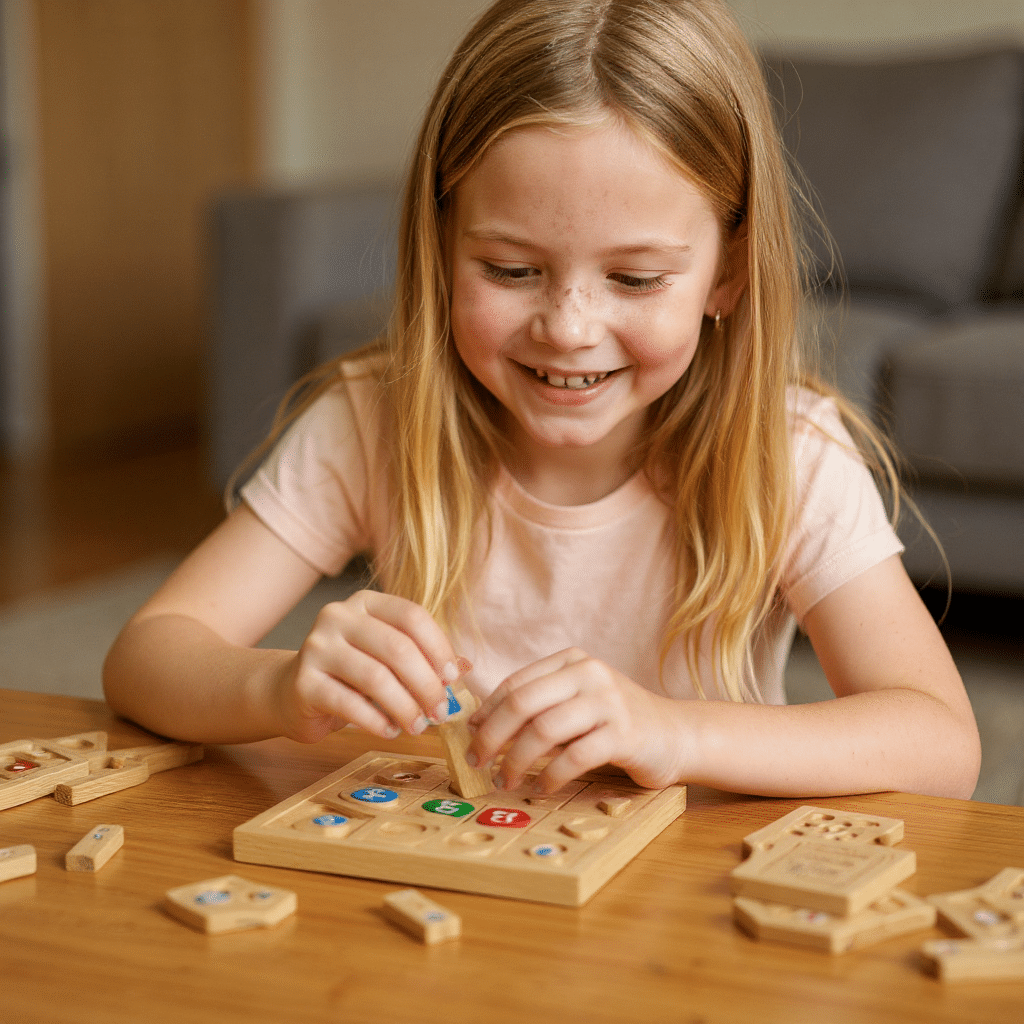
Improvement activities for kids focus on developing personal strengths, improving weaknesses, and building essential life skills. These activities go beyond entertainment: they help children grow into well-rounded, confident individuals.
Activities That Enhance Focus and Discipline
Focus and discipline are critical for academic and personal success. Simple activities like puzzle-solving, journaling, or practicing mindfulness through breathing exercises can help kids improve concentration. Even structured routines such as setting daily goals or completing age-appropriate chores teach children responsibility and self-discipline. Over time, these habits translate into improved academic performance and better emotional regulation.
Educational activities for kids : Develop Communication and Language Skills
Strong communication is one of the most valuable skills a child can develop. Storytelling games, role-playing scenarios, or even recording short “kid podcasts” encourage children to express themselves clearly. Language-based activities such as word-building games or spelling challenges expand vocabulary while improving listening and speaking abilities. These practices not only prepare kids for school success but also for building strong relationships.
Critical Thinking and Logic-Based Games
Critical thinking develops when kids are encouraged to analyze situations, make decisions, and evaluate outcomes. Logic puzzles, riddles, chess, and math challenges are excellent ways to stimulate reasoning. Even everyday activities, like planning a family outing or budgeting with play money, can introduce problem-solving concepts in a fun and practical way. These activities prepare kids to tackle challenges with confidence and resilience.
Looking for inspiration? Try our resources on nurturing children’s growth to explore more structured improvement strategies.
Educational Activities for 7 to 10 Years Old
Children between the ages of 7 and 10 are curious, energetic, and eager to learn new things. At this stage, they benefit from educational activities that challenge their thinking, build social skills, and introduce them to new technologies.
Age-Appropriate Learning Challenges
Kids in this age group are ready for more structured learning tasks. Math games, science experiments, and reading comprehension exercises are excellent ways to build academic strength. Activities like creating a book report, solving word puzzles, or practicing multiplication tables keep learning fun while improving core skills. Parents can also introduce goal-oriented projects, like building a model or writing a story, to help children stay motivated and focused.
Teamwork and Collaborative Projects
At ages 7 to 10, children begin to appreciate group activities that require teamwork. Building a class project, participating in science fairs, or joining team sports help kids develop cooperation and leadership skills. Working together not only makes learning fun but also teaches patience, responsibility, and respect for different perspectives.
Technology-Based Learning and Coding for Kids
In today’s digital age, technology can be a powerful learning tool. Educational apps, coding games, and interactive online lessons help children develop tech-savviness while strengthening problem-solving skills. Simple platforms like Scratch or Blockly allow kids to learn basic programming concepts through play. When guided properly, technology-based activities support creativity and prepare kids for future learning opportunities.
Check out our expert strategies for guiding children’s learning to find more ideas tailored to this age group.
Skill-Based Educational Activities

Skill-based activities for kids are designed to help kids sharpen specific abilities while keeping the learning process fun. These activities target both academic and non-academic skills, preparing children to adapt, create, and grow in multiple areas of life.
Motor Skills and Hand-Eye Coordination Games
Developing motor skills is crucial for young children. Activities like building with blocks, threading beads, or practicing simple sports enhance both fine and gross motor skills. Hand-eye coordination games such as catching a ball, hopscotch, or interactive video games improve reflexes while building balance and control. These skills are not only helpful in physical activities but also support writing, drawing, and other daily tasks.
Music, Dance, and Performance Arts
Engaging kids in music and dance activities encourages self-expression and boosts confidence. Learning an instrument sharpens focus, memory, and patience, while dancing improves coordination and rhythm. Theater or role-playing activities allow children to explore emotions, develop communication skills, and build stage confidence. The performing arts offer a fun way for kids to grow socially and emotionally.
STEM Activities for Future Readiness
STEM-based activities (Science, Technology, Engineering, and Math) give kids practical skills that prepare them for the future. Simple engineering challenges like building bridges from straws, science kits with hands-on experiments, or beginner coding lessons make STEM fun and approachable. These activities promote curiosity, logical thinking, and innovation, skills that will serve children well in academics and future careers.
Don’t miss our helpful resources on child skill development for more activities you can introduce at home or in classrooms.
How Parents Can Support Educational Activities
Parents play a key role in making educational activities meaningful and consistent. With the right support, kids not only enjoy these activities but also benefit from them long-term. A parent’s involvement can turn simple play into powerful learning experiences.
Creating a Learning-Friendly Home Environment
A home that encourages curiosity makes learning natural. Parents can set up a reading corner, stock up on educational toys, or create a space for arts and crafts. Even organizing daily routines around small learning tasks, like counting ingredients while cooking or discussing the weather, helps kids connect everyday life with learning. The goal is to build an environment where curiosity is celebrated.
Balancing Screen Time with Active Learning
Technology can be an excellent tool, but too much screen time can reduce creativity and focus. Parents should balance educational screen use with active learning activities. For example, if kids spend 30 minutes on an educational app, they can follow it up with a hands-on activity like a puzzle or outdoor play. This balance ensures children benefit from technology while still developing real-world problem-solving and social skills.
Encouraging Self-Motivation and Independent Learning
One of the best gifts parents can give children is the ability to learn independently. By offering choices—like letting kids pick the book they want to read or the project they want to work on—parents encourage ownership of learning. Simple goal-setting, like finishing a book series or building a project over a week, helps kids stay motivated. With gentle guidance, children learn to take responsibility for their growth and enjoy the process of discovery.
Learn more about how therapy and guided support help children thrive and how parents can take an active role in their development.
FAQs on Educational Activities for Kids
Parents often have common questions when it comes to choosing the best educational activities. Below are clear, helpful answers to guide you.
What are some fun educational activities for kids?
Fun activities include scavenger hunts, DIY crafts, science experiments, board games, and storytelling. These activities make learning enjoyable while building creativity, problem-solving, and social skills.
What are productive activities for kids?
Educational activities are structured tasks designed to teach kids while keeping them engaged. They can range from indoor puzzles and outdoor nature walks to art projects and STEM experiments. The key is that they combine fun with learning.
What are some improvement activities for kids?
Improvement activities help children grow in specific areas. Logic puzzles, mindfulness practices, and teamwork projects improve focus, confidence, and collaboration. Communication games and storytelling also enhance language and social skills.
What are the activities for 7 to 10 years old?
Children ages 7 to 10 thrive with age-appropriate challenges like reading comprehension exercises, math puzzles, team projects, coding games, and sports. These activities promote independence, problem-solving, and teamwork.
What are skill-based activities?
Skill-based activities are designed to develop specific abilities. Examples include motor skill games (like ball catching), music and dance (for creativity and rhythm), and STEM challenges (for logical thinking and innovation).
Educational activities for kids go far beyond playtime. They are essential tools for learning, growth, and self-expression. From fun indoor games and outdoor adventures to skill-based projects and improvement challenges, each activity shapes a child’s development in unique ways. By combining fun with learning, children not only strengthen academic abilities but also gain confidence, creativity, and resilience.Parents play a crucial role in making these activities meaningful. By creating a learning-friendly home, balancing technology with active engagement, and encouraging independent discovery, families can nurture curiosity and lifelong learning habits.
Don’t miss our expert guidance on supporting children’s learning journeys to find even more ways to help your child thrive.The best part? Educational activities don’t require fancy tools or expensive resources, just creativity, consistency and a willingness to make learning fun. Start small, stay consistent, and watch your child grow into a confident, curious learner ready for the future.